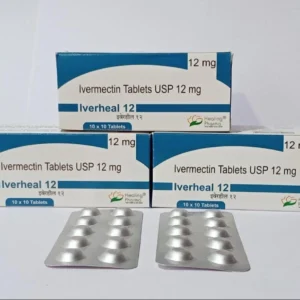
Covimectin 12 mg (Ivermectin)
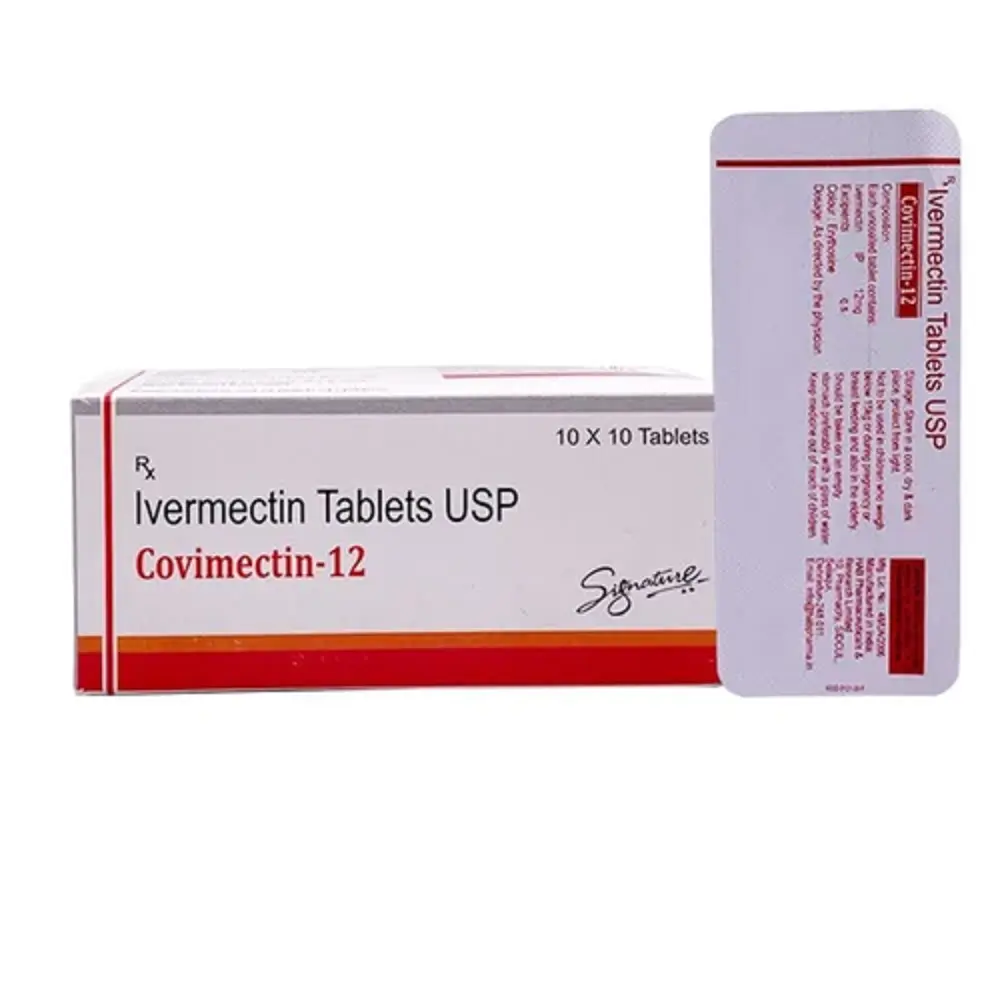
| Active Ingredient (Generic Name) | Ivermectin |
|---|---|
| Indication | Scabies, Filariasis |
| Manufacturer | Signature Pharma |
| Packaging | 10 capsules in 1 strip |
| Strength | 12mg |
| Delivery Time | 10 To 15 days |
Covimectin 12 mg – Complete Patient Information Guide
Medicine Overview:-
Covimectin 12 mg is a prescription medication that contains Ivermectin as its active pharmaceutical ingredient. This medicine belongs to a class of drugs known as antiparasitic agents, which work by targeting and eliminating certain parasitic organisms that can affect human health.
Healthcare providers commonly prescribe Covimectin for the treatment of parasitic infections caused by specific types of worms and ectoparasites (parasites that live on the skin). This medication has been used in medical practice for several decades and is recognized by health authorities worldwide for its effectiveness against particular parasitic conditions.
Covimectin is available in tablet form and requires a valid prescription from a licensed medical professional. It should only be used under proper medical supervision and for conditions specifically diagnosed by a qualified healthcare provider.
Important Note: This medicine is intended solely for the parasitic infections it has been approved to treat. Use for any other purpose without medical guidance can be harmful and is not recommended.
Mechanism of Action:-
Covimectin (Ivermectin) works through a targeted biological process that affects parasites differently than human cells, which is why it can be used safely when prescribed appropriately.
Here’s how it works in simple terms:
When parasites invade the body, they rely on specific nerve and muscle functions to survive, move, and reproduce. Covimectin interferes with the parasite’s nervous system by binding to special channels in their nerve and muscle cells called glutamate-gated chloride channels.
When the medicine attaches to these channels, it causes them to open and stay open. This leads to an influx of chloride ions into the parasite’s cells, which causes paralysis and eventually death of the parasite. The paralyzed parasites can then be naturally eliminated from the body through normal bodily processes.
Why it’s safer for humans:
Mammals, including humans, have these chloride channels only in the brain and spinal cord, which are protected by something called the blood-brain barrier. In healthy individuals, Covimectin does not easily cross this barrier, so it primarily affects the parasites without significantly impacting human nerve cells. This selective action makes it effective against parasites while maintaining an acceptable safety profile when used correctly.
The medicine does not kill parasites instantly—it may take several days for the full therapeutic effect to occur as parasites are gradually eliminated from the body.
Therapeutic Uses:-
Covimectin 12 mg has been medically approved and is prescribed for the following parasitic conditions:
1. Intestinal Strongyloidiasis
An infection caused by the roundworm Strongyloides stercoralis, which affects the intestines. Symptoms may include abdominal pain, diarrhea, skin rash, and cough. This condition requires proper diagnosis through stool examination.
2. Onchocerciasis (River Blindness)
A parasitic disease caused by the worm Onchocerca volvulus, transmitted through the bites of infected blackflies. This condition can cause severe itching, skin changes, and if untreated, can lead to vision problems. Treatment usually requires periodic dosing under medical supervision.
3. Scabies
A highly contagious skin infestation caused by the mite Sarcoptes scabiei. It causes intense itching and a characteristic rash. Ivermectin is particularly useful in cases where topical treatments have failed or in institutional outbreaks.
4. Head Lice (Pediculosis)
In some regions, Covimectin is prescribed for severe or persistent head lice infestations, particularly when conventional treatments have not been successful.
5. Other Parasitic Infections
Your doctor may prescribe this medicine for other parasitic conditions based on clinical judgment and local treatment guidelines. These may include certain types of filariasis and other helminthic infections.
Critical Reminder: Covimectin should only be used for conditions diagnosed by a healthcare professional through appropriate testing. Self-diagnosis and self-treatment of parasitic infections can lead to misuse and potential health complications.
General Usage Guidance:-
Covimectin must be taken exactly as prescribed by your healthcare provider. The following information provides general guidance, but your doctor’s specific instructions always take priority.
How to Take:
- With or without food: Covimectin is typically taken on an empty stomach with a full glass of water (at least 8 ounces). Take it at least 1 hour before or 2 hours after a meal for optimal absorption.
- Swallow whole: Do not crush, chew, or break the tablets. Swallow them whole.
- Dosage timing: Usually taken as a single dose, though some conditions may require repeat dosing after a specific interval (often 1-2 weeks or longer).
- Follow-up: Many parasitic infections require follow-up examinations to confirm that the treatment has been successful.
Dosage Considerations:
- Dosage is typically calculated based on your body weight
- Your doctor will determine the exact dose and frequency
- Do not take more than prescribed, even if symptoms persist
- Complete the full course of treatment even if you feel better
Special Instructions:
- If you are being treated for scabies, all household members and close contacts may need treatment simultaneously to prevent re-infestation
- Wash all bedding, clothing, and towels in hot water on the same day you take the medication
- Avoid close physical contact with others until your doctor confirms treatment success
Missed Dose:
If you miss a scheduled dose, contact your healthcare provider for guidance. Do not double up on doses without medical advice.
Important Reminders:
- This medicine treats the infection but may not immediately relieve all symptoms (like itching in scabies)
- Some symptoms may temporarily worsen as parasites die off
- Never share this medication with others, even if they have similar symptoms
Potential Benefits
When prescribed appropriately and used correctly, Covimectin may provide the following therapeutic benefits:
For Intestinal Parasitic Infections:
- May help eliminate parasitic worms from the digestive system
- Can support relief from gastrointestinal symptoms such as abdominal discomfort and diarrhea
- May reduce the risk of complications associated with chronic parasitic infections
- Helps prevent the spread of infection to others
For Skin-Related Parasitic Conditions:
- Can help eliminate mites or lice causing skin infestations
- May reduce intense itching associated with scabies or other ectoparasitic infections
- Supports healing of skin lesions caused by parasitic activity
- May prevent secondary bacterial infections that can occur from scratching
For Onchocerciasis:
- Helps reduce the microfilarial load (young worms) in the body
- May prevent progression of the disease
- Can help reduce itching and skin manifestations
- Supports protection against vision complications when used as part of ongoing treatment programs
General Health Benefits:
- Single-dose or short-course treatment offers convenience
- May prevent transmission to family members and community
- Helps restore normal bodily functions affected by parasitic burden
- Can improve overall quality of life by addressing debilitating symptoms
Realistic Expectations:
- Symptom relief may not be immediate; some symptoms like itching can persist for days or weeks
- Complete elimination of parasites may require time and sometimes repeat treatment
- Success depends on proper diagnosis, correct dosage, and completion of full treatment
- Some conditions require periodic re-treatment or monitoring
Remember: Individual responses to treatment vary. Your healthcare provider will monitor your progress and adjust treatment as necessary.
Side Effects Information:-
Like all medications, Covimectin can cause side effects, though not everyone will experience them. Most side effects are mild and temporary.
Common Side Effects (may affect up to 1 in 10 people):
- Dizziness or lightheadedness
- Nausea or upset stomach
- Diarrhea or loose stools
- Loss of appetite
- Fatigue or weakness
- Mild abdominal pain or cramping
- Headache
- Muscle or joint pain
- Skin rash or itching
These effects are usually mild and resolve on their own within a few days. If they persist or become bothersome, inform your healthcare provider.
Less Common Side Effects:
- Vomiting
- Tremors or shaking
- Swelling of hands, feet, or ankles
- Eye irritation or redness
- Fever
- Constipation
- Sleepiness or difficulty concentrating
Serious Side Effects (Seek immediate medical attention):
Although rare, some side effects require urgent medical care:
- Severe allergic reactions: Difficulty breathing, swelling of face/lips/tongue/throat, severe rash or hives
- Severe skin reactions: Blistering, peeling skin, painful rash
- Eye problems: Severe eye pain, vision changes, loss of vision
- Neurological symptoms: Severe confusion, seizures, difficulty walking or standing, loss of consciousness
- Severe dizziness or fainting: Particularly when standing up
- Severe abdominal pain with fever or bloody stools
- Unusual bleeding or bruising
- Rapid or irregular heartbeat
Mazotti Reaction (Specific to Onchocerciasis Treatment):
Patients being treated for river blindness may experience a reaction called the Mazotti reaction, which occurs as the parasites die. Symptoms may include:
- Fever and chills
- Rapid heartbeat
- Swollen and tender lymph nodes
- Joint and muscle pain
- Worsening itching or rash
- Eye inflammation
This reaction is usually managed with supportive care and additional medications. Your doctor will monitor you closely if you’re at risk.
What to Do:
- Report mild, persistent side effects to your doctor at your next appointment
- Contact your healthcare provider promptly if side effects are concerning or interfering with daily activities
- Seek emergency medical care for severe reactions
Important: Do not stop taking the medicine without consulting your doctor, even if you experience side effects, unless they are severe.
Safety Warnings & Precautions:-
Do NOT use Covimectin if you:
- Are you allergic to Ivermectin or any ingredients in the tablet
- Are pregnant, unless specifically prescribed by your doctor after careful benefit-risk assessment
- Is breastfeeding an infant less than 3 months old
- Have had a severe reaction to similar antiparasitic medicines
Use with Extreme Caution and Inform Your Doctor If You:
- Have liver disease or impaired liver function
- Have kidney problems
- Have a weakened immune system (HIV/AIDS, cancer treatment, organ transplant)
- Have a history of seizures or epilepsy
- Have central nervous system disorders
- Are elderly (over 65 years)
- Weigh less than 15 kg (approximately 33 pounds)
- Have asthma
- Are you taking multiple medications
Special Populations:-
Pregnancy: Covimectin is generally not recommended during pregnancy except in specific circumstances where the benefit clearly outweighs the risk. Animal studies have shown potential risks. If you are pregnant, planning to become pregnant, or suspect you might be pregnant, inform your doctor immediately.
Breastfeeding: Ivermectin passes into breast milk in small amounts. Treatment of nursing mothers should be approached cautiously, particularly if the infant is less than 3 months old or weighs less than 5 kg. Your doctor will help determine the safest approach.
Children: Safety and effectiveness in children weighing less than 15 kg have not been fully established. Pediatric use should be under strict medical supervision.
Elderly Patients: Older adults may be more sensitive to side effects and may require closer monitoring during treatment.
Alcohol and Substance Use:
- Avoid alcohol consumption while taking Covimectin, as it may increase the risk of dizziness and liver-related side effects
- Alcohol can also impair your body’s ability to fight parasitic infections
Activities Requiring Alertness:
Covimectin may cause dizziness or drowsiness in some people. Avoid driving, operating heavy machinery, or engaging in activities requiring full alertness until you know how the medicine affects you.
Long-Term Use and Repeated Treatment:
- Some parasitic conditions require periodic re-treatment
- Long-term or repeated use should only occur under medical supervision
- Your doctor will schedule appropriate follow-up examinations
- Report any new or worsening symptoms during repeated treatment courses
Travel and Endemic Areas:
If you live in or travel to areas where parasitic infections are common, discuss preventive strategies with your healthcare provider. Do not use Covimectin as a preventive measure without medical guidance.
Drug & Substance Interactions:-
Covimectin can interact with various medications, supplements, and substances. Always provide your healthcare provider with a complete list of everything you are taking.
Serious Interactions:
Blood-thinning medications (Anticoagulants):
- Warfarin and similar drugs
- May increase bleeding risk
- Requires close monitoring of blood clotting parameters
Central Nervous System Depressants:
- Sedatives, tranquilizers, sleeping pills
- Barbiturates
- May increase drowsiness and dizziness
Anti-seizure Medications:
- Phenobarbital, phenytoin, carbamazepine
- May reduce the effectiveness of Covimectin
- May affect seizure control
Moderate Interactions:
Other Antiparasitic Drugs:
- Combining with other antiparasitic agents should be done under medical supervision
- May increase side effect risk
Drugs Affecting Liver Enzymes:
- Certain antibiotics (erythromycin, clarithromycin)
- Antifungal medications (ketoconazole, itraconazole)
- May alter Covimectin levels in the blood
Medications That Affect the Blood-Brain Barrier:
- Some drugs may increase the risk of neurological side effects
- Medical supervision is essential
Herbal Supplements and Natural Products:
- St. John’s Wort may reduce medication effectiveness
- Other herbal products may have unknown interactions
- Always disclose herbal supplement use to your doctor
Food Interactions:
- High-fat meals can significantly increase absorption, potentially leading to higher blood levels and increased side effect risk
- This is why the medication is typically taken on an empty stomach
Laboratory Test Interference:
Covimectin may affect certain laboratory test results. Inform laboratory personnel that you are taking this medication if you undergo testing.
Important Reminder: This is not an exhaustive list of all possible interactions. Always consult your healthcare provider or pharmacist before starting any new medication, supplement, or treatment while taking Covimectin.
Storage & Handling Advice:-
Proper storage ensures your medication remains safe and effective throughout its shelf life.
Storage Conditions:
- Temperature: Store at room temperature between 20°C to 25°C (68°F to 77°F)
- Location: Keep in a cool, dry place away from direct sunlight and heat sources
- Humidity: Avoid storing in bathrooms or other humid environments
- Original packaging: Keep tablets in their original blister pack or container until ready to use
- Light protection: Store away from direct light exposure
Safety Precautions:
- Keep out of reach of children: Store in a secure location that children cannot access
- Pet safety: Keep away from pets, as even small amounts can be toxic to certain animals
- Separate from food: Never store medications near food, beverages, or cooking areas
- Labeling: Ensure the container is properly labeled with the patient name and dosage instructions
Handling Instructions:
- Wash hands before and after handling tablets
- Do not remove tablets from packaging until ready to take
- Do not handle tablets if you are not the person for whom they were prescribed
- Avoid touching tablets if you are pregnant or could become pregnant (particularly relevant for household members)
Expiration and Disposal:
Check Expiration:
- Do not use Covimectin past the expiration date printed on the package
- Expired medication may be less effective and could potentially be harmful
- Check expiration dates regularly, especially if the medication has been stored for some time
Proper Disposal:
- Do not flush tablets down the toilet unless specifically instructed to do so
- Do not throw tablets in household trash where children, pets, or others could access them
- Participate in medication take-back programs if available in your community
- Ask your pharmacist about safe disposal options
- Some pharmacies offer medication disposal services
- If no take-back program is available, mix tablets with undesirable substances (coffee grounds, cat litter) in a sealed bag before disposing in household trash
Travel Considerations:
- Keep medication in original labeled container when traveling
- Store in carry-on luggage when flying to avoid temperature extremes in cargo holds
- Carry a copy of your prescription when traveling internationally
- Be aware of temperature exposure during travel
If Storage Conditions Are Compromised:
If tablets have been exposed to excessive heat, moisture, or other improper conditions, consult your pharmacist about whether they are still safe to use. When in doubt, obtain a new prescription rather than risk using compromised medication.
Patient FAQs?
Q1: How long does it take for Covimectin to work?
Covimectin begins working within hours of ingestion, but you may not notice immediate symptom relief. For intestinal parasites, worms typically die within days, though some symptoms may persist for 1-2 weeks. For scabies, itching may continue for several days after the mites are dead, as your skin heals from the infestation. Complete resolution often takes 2-4 weeks. Your doctor will schedule follow-up tests to confirm the infection has been eliminated.
Q2: Can I take Covimectin for COVID-19 or viral infections?
No. Covimectin is an antiparasitic medication approved only for specific parasitic infections. It is not authorized for the treatment or prevention of COVID-19 or other viral infections. Using this medication for unapproved purposes can be dangerous and may delay appropriate treatment. Always follow evidence-based medical guidance and only use medications for their approved indications.
Q3: Why do I still itch after taking Covimectin for scabies?
Itching from scabies can persist for 2-4 weeks after successful treatment because your immune system continues to react to dead mites and their waste products remaining in your skin. This does not mean the treatment failed. However, if itching worsens after 2 weeks or new burrows appear, contact your doctor, as you may need repeat treatment or have been re-infested.
Q4: Is it safe to take Covimectin if I have HIV/AIDS?
Covimectin can be prescribed for patients with HIV/AIDS, but requires careful medical supervision. People with compromised immune systems, particularly those co-infected with certain parasites like Loa loa (prevalent in some African regions), may be at higher risk of serious reactions. Your doctor will assess your specific situation, including your CD4 count and geographic exposure history, before prescribing.
Q5: How soon can I take a second dose if the first one didn’t work?
Never take an additional dose without consulting your doctor. For most parasitic infections, if repeat treatment is needed, it should be given at least 1-2 weeks after the first dose, sometimes longer. The timing depends on the parasite’s life cycle and your specific condition. Taking doses too close together increases the risk of side effects without improving effectiveness.
Q6: Can I drink alcohol the same day I take Covimectin?
It is best to avoid alcohol on the day you take Covimectin and for at least 24 hours afterward. Alcohol can increase the risk of dizziness, upset stomach, and may stress your liver while it processes the medication. If you have questions about alcohol use during your treatment period, discuss them with your healthcare provider.
Medical Disclaimer:-
The content provided on this page is intended solely for educational and informational purposes. It is designed to help patients better understand their medication but should never replace professional medical advice, diagnosis, or treatment from a qualified healthcare provider.
For Personalized Medical Guidance:
Always discuss your specific health concerns, symptoms, medication questions, and treatment options with your healthcare provider. They have access to your complete medical history and can provide personalized recommendations appropriate for your individual situation.
This content is for educational purposes only and was last reviewed in March 2026. Medical guidelines and recommendations are subject to change. Always consult current medical resources and your healthcare team.
Your health and safety are our priority. Use medications responsibly and always under professional medical supervision.
Reviews
There are no reviews yet.