The Best Anti Viral Medications: Pharmacist-Approved Guide for 2026
When viral infections strike—from the common cold to influenza—finding the right anti viral treatment can mean the difference between days of suffering and swift recovery. As a licensed pharmacist with over 15 years of clinical experience, I’ve guided thousands of patients through selecting safe, effective antiviral medications that work for their specific needs.
This comprehensive guide covers prescription and over-the-counter anti viral options, helping you understand which treatments offer proven results, proper usage guidelines, and important safety considerations. Whether you’re dealing with seasonal flu, herpes outbreaks, or COVID-19 symptoms, you’ll find evidence-based recommendations to support your recovery journey.
Medical Disclaimer: This information is for educational purposes only. Always consult your healthcare provider before starting any antiviral treatment, especially if you have underlying health conditions or take other medications.
Understanding Viral Infections and Treatment Options:-
Viral infections affect millions worldwide annually, with the CDC reporting over 1 billion common cold cases and 3-5 million severe influenza cases in the United States each year. Unlike bacterial infections, viruses require specialized antiviral drugs that either prevent viral replication or reduce symptom severity and duration.
How Anti Viral Medications Work?
Antiviral treatments function through several mechanisms:
- Viral replication inhibition: Blocking the enzymes that viruses need to multiply
- Cell entry prevention: Stopping viruses from entering healthy cells
- Immune system support: Enhancing your body’s natural viral defense mechanisms
- Symptom management: Reducing inflammation and discomfort during recovery
According to WHO guidelines, early intervention with appropriate viral infection medicine can reduce illness duration by 1-3 days and prevent serious complications, particularly in high-risk populations including adults over 65, pregnant women, and immunocompromised individuals.
Top Anti Viral Recommendations:-
Based on FDA approvals, clinical efficacy data, and pharmacy dispensing patterns, here are the most effective antiviral medications available in 2026:
| Medication | Primary Uses | Typical Dosage | Key Benefits | Price Range | Prescription Required |
|---|---|---|---|---|---|
| Tamiflu (Oseltamivir) | Influenza A & B | 75mg twice daily × 5 days | Reduces flu duration by 1-2 days | $150-200 | Yes |
| Valtrex (Valacyclovir) | Herpes simplex, shingles | 500mg-1g varied schedule | Faster healing, reduced outbreaks | $50-120 | Yes |
| Paxlovid (Nirmatrelvir) | COVID-19 mild-moderate | 3 tablets twice daily × 5 days | 89% hospitalization reduction | $530 (often covered) | Yes |
| Acyclovir | Herpes infections | 200-800mg varied | Generic alternative to Valtrex | $25-60 | Yes |
| Ribavirin | Hepatitis C, RSV | Variable by condition | Broad-spectrum activity | $200-400 | Yes |
| Zinc Lozenges | Common cold viruses | 13-23mg every 2 hours | May reduce cold duration | $10-25 | No |
| Elderberry Extract | General viral support | 300mg daily | Immune system boost | $15-30 | No |
Prices reflect typical pharmacy costs without insurance coverage as of 2026.
How to Choose the Right Anti Viral Treatment?
Selecting appropriate antiviral therapy depends on several critical factors that pharmacists evaluate during consultations:
Virus Type and Timing-
- Influenza: Tamiflu is most effective within 48 hours of symptom onset
- Herpes viruses: Valacyclovir works best during the prodrome phase
- COVID-19: Paxlovid recommended within 5 days for high-risk patients
- Common cold: Supportive care with zinc or elderberry supplements
Patient-Specific Considerations-
| Factor | Prescription Options | OTC Alternatives |
|---|---|---|
| Age under 18 | Pediatric formulations available | Zinc lozenges (age-appropriate) |
| Pregnancy/nursing | Category B/C medications only | Consult a physician first |
| Kidney disease | Dose adjustments required | Monitor supplement intake |
| Drug interactions | Full medication review needed | Generally safer profile |
| Cost concerns | Generic versions when available | $10-30 monthly budget |
Pharmacist Consultation Points-
During your pharmacy visit, expect a discussion of:
- Symptom timeline: When did symptoms start?
- Medical history: Any chronic conditions or allergies?
- Current medications: Potential drug interactions?
- Insurance coverage: Formulary preferences and copays
- Lifestyle factors: Work/school attendance needs
Safety, Side Effects & Drug Interactions:-
Antiviral drugs are generally well-tolerated but require careful monitoring for adverse effects and contraindications, particularly in vulnerable populations.
Common Side Effects by Category-
Influenza Antivirals (Tamiflu, Xofluza):
- Nausea and vomiting (10-15% of patients)
- Headache and dizziness
- Rare: Behavioral changes in children/adolescents
Herpes Antivirals (Valtrex, Acyclovir):
- Gastrointestinal upset
- Fatigue and confusion (higher doses)
- Kidney function monitoring is required
COVID-19 Treatments (Paxlovid):
- Metallic taste (very common)
- Diarrhea and muscle aches
- Significant drug interactions with blood thinners
Critical Drug Interactions-
According to FDA prescribing information, these antiviral medications require special attention when combined with:
- Blood thinners (warfarin): Enhanced anticoagulation risk
- Seizure medications: Altered drug levels possible
- Immunosuppressants: Reduced antiviral effectiveness
- Kidney medications: Increased toxicity potential
Important Safety Warning: Never stop antiviral treatment early, even if symptoms improve. Incomplete courses can lead to viral resistance and treatment failure.
When to Contact Your Healthcare Provider?
Seek immediate medical attention if you experience:
- Severe allergic reactions (rash, swelling, breathing difficulties)
- Kidney problems (reduced urination, swelling, confusion)
- Worsening symptoms after 72 hours of treatment
- New symptoms suggesting bacterial superinfection
Expert Tips from Pharmacists:-
After years of counseling patients on anti viral treatments, these evidence-based strategies consistently improve outcomes:
Timing and Administration
- Early intervention: Most antivirals work best within 24-48 hours of symptom onset
- Complete the course: Take all prescribed doses even if feeling better
- Food considerations: Tamiflu with food reduces nausea; Paxlovid can be taken with or without food
- Storage requirements: Most require room temperature; check specific instructions
Maximizing Treatment Success
For prescription antivirals:
- Set phone reminders for consistent dosing schedules
- Keep a symptom diary to track improvement
- Stay well-hydrated (8-10 glasses daily)
- Rest adequately to support immune function
For OTC viral support:
- Start zinc lozenges within 24 hours of cold symptoms
- Choose elderberry products with standardized extracts
- Combine with vitamin C and adequate sleep
- Maintain good hand hygiene to prevent reinfection
Purchasing and Insurance Navigation
- Generic substitution: Ask about acyclovir vs. Valtrex for cost savings
- Manufacturer coupons: Many brand-name antivirals offer patient assistance
- 90-day supplies: Cost-effective for chronic conditions like herpes
- Online pharmacy options: Compare prices for non-urgent refills
Conclusion:-
Choosing the right anti viral medication requires balancing efficacy, safety, cost, and individual health factors. Prescription options like Tamiflu for influenza, Valtrex for herpes infections, and Paxlovid for COVID-19 offer proven clinical benefits when used appropriately and early in the illness course.
Over-the-counter antiviral support through zinc lozenges and elderberry supplements provides accessible options for mild viral symptoms, though prescription medications remain the gold standard for serious infections.
Remember that antiviral drugs work best as part of comprehensive care, including rest, hydration, and symptom monitoring. Always consult with licensed pharmacists and healthcare providers to ensure safe, effective treatment tailored to your specific needs.
Ready to find the right antiviral treatment? Visit our pharmacy for personalized consultations with experienced pharmacists who can review your symptoms, medical history, and insurance coverage to recommend the most appropriate options for your viral infection recovery.
Frequently Asked Questions?
Q: Are antiviral medications safe for children?
A: Many antivirals have pediatric formulations with adjusted dosing. Tamiflu is FDA-approved for children over 2 weeks old, while acyclovir can be used in infants. Always follow pediatric dosing guidelines and consult your child’s healthcare provider.
Q: How quickly do antiviral drugs start working?
A: Most patients notice symptom improvement within 24-48 hours of starting treatment. Full recovery typically occurs 1-3 days sooner than without antiviral therapy, depending on the specific medication and virus type.
Q: Can I take multiple antiviral medications together?
A: Generally not recommended without medical supervision. Combining antivirals can increase side effect risks and may not provide additional benefits. Your pharmacist can review potential interactions.
Q: Do antiviral drugs prevent viral infections?
A: Some antivirals offer prophylactic benefits. Tamiflu can reduce influenza infection risk by 70-90% when taken preventively during outbreaks. Valtrex helps prevent herpes transmission to partners when taken daily.
Q: Are there natural alternatives to prescription antivirals?
A: While supplements like zinc, elderberry, and vitamin C may provide immune support, they cannot replace prescription antivirals for serious infections. Discuss integrative approaches with your healthcare provider.
Q: What should I do if I miss an antiviral dose?
A: Take the missed dose as soon as remembered, unless it’s close to your next scheduled dose. Never double up on doses. Contact your pharmacist if you’ve missed multiple doses to discuss whether to continue treatment.
Q: How long can I store antiviral medications?
A: Most antivirals remain effective until their expiration date when stored properly at room temperature. Liquid formulations may have shorter stability periods. Check with your pharmacist about proper storage and disposal of expired medications.
Medical Disclaimer:-
This content is for informational purposes only and is not a substitute for professional medical advice, diagnosis, or treatment. Always seek the advice of your physician or other qualified health provider with any questions you may have regarding a medical condition or medication. Never disregard professional medical advice or delay seeking it because of something you have read here.
-
Banocide Forte 100 Mg (Diethylcarbamazine)
Active Ingredient Diethylcarbamazine Manufacturer GlaxoSmithKline Pharmaceuticals Ltd Packaging 20 tablets in 1 strip & 30 tablets in 1 strip Strength 100mg Delivery Time 6 To 15 days SKU: Banocide Forte 100 Mg (Diethylcarbamazine) Price range: $13.50 through $25.50Banocide Forte 100 Mg (Diethylcarbamazine)
Price range: $13.50 through $25.50 -
Antiflu 75 Mg (Oseltamivir)
Active Ingredient Oseltamivir Manufacturer Cipla Limited Packaging 10 Capsules in a strip Strength 75mg Delivery Time 6 To 15 days SKU: Antiflu 75 Mg (Oseltamivir) Price range: $76.50 through $211.50Antiflu 75 Mg (Oseltamivir)
Price range: $76.50 through $211.50 -
Herpex Cream (Acyclovir)
Active Ingredient Acyclovir Manufacturer Torrent Pharmaceuticals Ltd Packaging 5 gm in 1 tube Strength 5% Delivery Time 6 To 15 days SKU: Herpex Cream (Acyclovir) Price range: $4.00 through $19.00Herpex Cream (Acyclovir)
Price range: $4.00 through $19.00 -
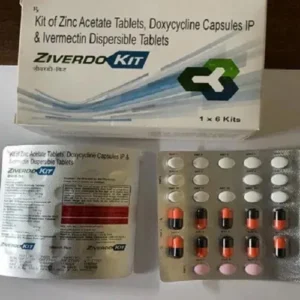
Ziverdo Kit
Active Ingredient Doxycycline, Ivermectin Manufacturer Mankind Pharma Packaging 1 Kit Of (Ivermectin 12 Mg = 3 Tablet + Zinc 50mg = 14 Tablet + Doxycycline 100mg = 10 Capsules) Delivery Time 6 To 15 days SKU: Ziverdo Kit Price range: $85.00 through $810.00Ziverdo Kit
Price range: $85.00 through $810.00 -
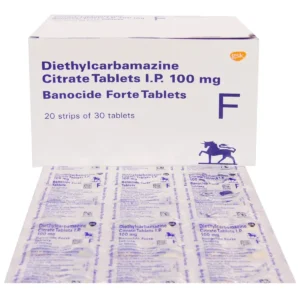
Banocide Forte 50 Mg (Diethylcarbamazine)
Active Ingredient Diethylcarbamazine Manufacturer GlaxoSmithKline Pharmaceuticals Ltd Packaging 20 tablets in 1 strip & 30 tablets in 1 strip Strength 50mg Delivery Time 6 To 15 days SKU: Banocide Forte 50 Mg (Diethylcarbamazine) Price range: $10.80 through $21.00Banocide Forte 50 Mg (Diethylcarbamazine)
Price range: $10.80 through $21.00 -
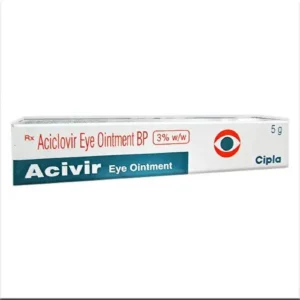
Acivir Eye Ointment (Acyclovir)
Active Ingredient Acyclovir Manufacturer Cipla Limited Packaging 5gm in a Tube Strength 3% Delivery Time 6 To 15 days SKU: Acivir Eye Ointment (Acyclovir) Price range: $3.00 through $15.00Acivir Eye Ointment (Acyclovir)
Price range: $3.00 through $15.00 -
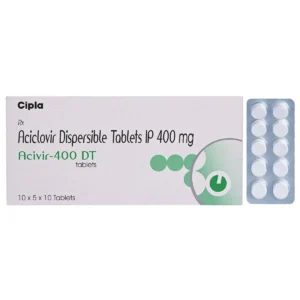
Acivir DT 400 Mg (Acyclovir)
Active Ingredient Acyclovir Manufacturer Cipla Limited Packaging 5 Tablets & 10 Tablets in Strips Strength 400mg, 800mg Delivery Time 6 To 15 days SKU: Acivir DT 400 Mg (Acyclovir) Price range: $52.20 through $255.00Acivir DT 400 Mg (Acyclovir)
Price range: $52.20 through $255.00 -
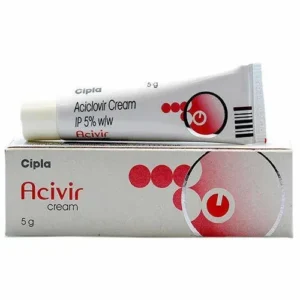
Acivir Cream (Acyclovir)
Active Ingredient Acyclovir Manufacturer Cipla Limited Packaging 5gm Tube Strength 5gm Delivery Time 6 To 15 days SKU: Acivir Cream (Acyclovir) Price range: $5.00 through $20.00Acivir Cream (Acyclovir)
Price range: $5.00 through $20.00