
Fenbendazole: Complete Guide to Antiparasitic Treatment
Introduction
Fenbendazole is a widely prescribed antiparasitic medication that belongs to the benzimidazole class of drugs. This veterinary-approved medicine contains fenbendazole as its active ingredient and is primarily used to treat various parasitic worm infections in animals. While primarily designed for veterinary use, fenbendazole has gained attention for its antiparasitic properties and potential therapeutic applications.
Healthcare professionals recognize fenbendazole as an effective treatment for eliminating parasitic worms that can affect different body systems. Understanding how this medication works and its proper usage is essential for safe and effective treatment outcomes under professional guidance.
What is Fenbendazole?
Fenbendazole is classified as an anthelmintic or antiparasitic medication that was first developed in the 1970s. It belongs to the benzimidazole family of drugs, which are known for their effectiveness against various parasitic organisms. The medication is primarily formulated for veterinary use but has been studied for potential applications in other areas.
This medication is available in several forms:
- Oral granules or powder
- Liquid suspension
- Paste formulations
- Tablet forms (in some regions)
Fenbendazole works specifically against parasitic worms and is not effective against bacterial, viral, or fungal infections. It targets the cellular mechanisms that parasites need to survive and reproduce, making it highly effective in treating various types of worm infestations.
The medication has a broad spectrum of activity, meaning it can target multiple species of parasites simultaneously, which makes it particularly valuable in treating mixed parasitic infections.
How Does Fenbendazole Work?
Fenbendazole operates through a specific mechanism that directly attacks the parasites’ cellular structure. The medication works by binding to a protein called β-tubulin, which is essential for maintaining the parasite’s cellular framework and internal structure.
When fenbendazole binds to β-tubulin, it prevents the formation of microtubules – tiny structures that parasites require for various vital cellular functions. These microtubules are crucial for:
- Maintaining cell shape and structure
- Nutrient transport within cells
- Waste elimination processes
- Cell division and reproduction
By disrupting these essential cellular processes, fenbendazole effectively starves the parasites and prevents them from maintaining their normal functions. This leads to the gradual death of adult worms, larvae, and eggs.
The medication also interferes with the parasites’ glucose uptake, further compromising their ability to survive in the host environment. This dual action makes fenbendazole particularly effective because it can eliminate parasites at different stages of their life cycle.
You May Also Like:- Anti-Worm: Complete Guide to Deworming Treatments.
Medical Uses of Fenbendazole:-
Fenbendazole is primarily prescribed for treating various parasitic infections in veterinary medicine. The most common applications include:
Gastrointestinal Parasites:
- Roundworm infections (Ascarids)
- Hookworm infestations
- Whipworm infections
- Some tapeworm species
- Strongyle infections
Respiratory Parasites:
- Lungworm infections
- Respiratory nematode infestations
Other Parasitic Conditions:
- Mixed parasitic infections
- Certain tissue-dwelling parasites
- Prevention of parasitic reinfection
Emerging Research Applications:
- Studies investigating potential anticancer properties
- Research into immune system effects
- Investigation of anti-inflammatory properties
Important: Any use of fenbendazole should be under professional supervision, and patients should consult healthcare providers before considering its use for any condition.
Dosage and Administration:-
The dosage of fenbendazole varies significantly depending on the intended use, body weight, and specific condition being treated. Since this medication is primarily veterinary-approved, human dosing guidelines are not established through standard pharmaceutical channels.
General Administration Guidelines:
- Take with food to improve absorption and reduce stomach upset
- Follow the exact dosing instructions provided by healthcare professionals
- Complete the full course of treatment as directed
- Do not adjust dosage without professional consultation
Timing Considerations:
- Take at consistent times each day if multiple doses are required
- Some formulations may require specific timing with meals
- Allow adequate intervals between doses as directed
Missed Dose Instructions:
If you miss a dose, take it as soon as you remember. However, if it’s almost time for your next scheduled dose, skip the missed dose and continue with your regular dosing schedule. Never double the dose to make up for a missed one.
Critical: Always consult with a qualified healthcare provider before using fenbendazole, as appropriate dosing and safety monitoring are essential.
Possible Side Effects:-
Like all medications, fenbendazole can cause side effects, although the frequency and severity may vary among individuals. Most reported side effects are mild and temporary, but awareness of potential reactions is important.
Common Side Effects:
- Mild nausea or stomach upset
- Headache
- Fatigue or tiredness
- Dizziness
- Loss of appetite
- Mild abdominal discomfort
Less Common Side Effects:
- Vomiting
- Diarrhea
- Skin rash or itching
- Changes in taste
- Temporary hair thinning
Serious Side Effects (Rare):
- Severe allergic reactions (difficulty breathing, swelling)
- Significant changes in liver function
- Blood cell count abnormalities
- Severe gastrointestinal symptoms
- Neurological symptoms
Seek immediate medical attention if you experience severe allergic reactions, persistent vomiting, or any concerning symptoms. Contact your healthcare provider if mild side effects persist or worsen over time.
Safety Precautions:-
Several important safety considerations apply when using fenbendazole:
Pregnancy and Breastfeeding:
- Pregnancy: Safety during pregnancy has not been established; avoid use unless specifically directed by a healthcare provider
- Breastfeeding: Unknown if the medication passes into breast milk; consult with healthcare professionals
- Women of childbearing age should discuss contraception during treatment
Medical Conditions:
- Liver disease: May require monitoring or dose adjustment
- Kidney problems: Kidney function should be assessed before treatment
- Blood disorders: Regular monitoring may be necessary
- Immune system conditions: May affect medication response
Alcohol and Lifestyle:
- Limit alcohol consumption during treatment
- Maintain good hydration
- Follow a balanced diet to support recovery
Allergies:
- Report any known allergies to benzimidazole medications
- Inform healthcare providers of previous adverse drug reactions
Drug Interactions:-
Fenbendazole may interact with various medications and substances:
Known Medication Interactions:
- Anticoagulant medications: May affect blood clotting
- Liver enzyme inducers: Can alter fenbendazole metabolism
- Other antiparasitic drugs: May have additive effects
- Immunosuppressive medications: Potential interaction risks
Supplements and Herbal Products:
- Vitamin supplements may affect absorption
- Herbal products with liver effects should be used cautiously
- Antacids may impact medication absorption
Food Interactions:
- High-fat meals may increase absorption
- Grapefruit juice should be avoided
- Alcohol may increase the risk of side effects
Always provide complete medication and supplement lists to your healthcare provider.
Storage Instructions:-
Proper storage maintains fenbendazole’s effectiveness and safety:
- Store at room temperature (20-25°C or 68-77°F)
- Keep in the original container to protect from light and moisture
- Store in a dry location away from bathrooms and heat sources
- Keep out of reach of children and pets
- Do not use expired medication
- Protect liquid formulations from freezing
- Dispose of unused medication through proper pharmaceutical disposal programs
Check expiration dates before each use and never use expired fenbendazole, as it may be ineffective or potentially harmful.
Benefits of Fenbendazole:-
Fenbendazole offers several advantages in antiparasitic treatment:
Treatment Effectiveness:
- Broad-spectrum activity against multiple parasite species
- Effective at different parasite life stages
- Proven track record in veterinary applications
- Generally well-tolerated when used appropriately
Practical Advantages:
- Available in multiple formulation options
- Relatively stable medication with good shelf life
- Can be used for both treatment and prevention
Research Interest:
- Ongoing studies investigating additional therapeutic applications
- Interest in potential anti-inflammatory properties
- Research into cellular mechanisms and effects
Who Should Avoid This Medicine?
Certain individuals should exercise caution or avoid fenbendazole:
Complete Avoidance:
- Individuals with known hypersensitivity to benzimidazole drugs
- Patients with severe liver dysfunction
- Individuals with documented allergic reactions to fenbendazole
Use with Caution:
- Pregnant or breastfeeding women
- Patients with compromised liver function
- Individuals with blood disorders
- Patients taking multiple medications
- Elderly patients who may be more sensitive to side effects
- Children (safety and dosing not established)
Special Populations:
- Patients with autoimmune conditions should consult specialists
- Individuals with chronic medical conditions need professional evaluation
Frequently Asked Questions (FAQs)?
1. How long does fenbendazole take to work?
The timeline for fenbendazole effectiveness varies depending on the type of parasitic infection and individual factors. Some patients may notice improvement within days, while others may require weeks of treatment. Complete parasite elimination typically takes longer than initial symptom relief.
2. Can fenbendazole be taken with food?
Yes, taking fenbendazole with food is actually recommended as it improves absorption and reduces the likelihood of stomach upset. A meal containing some fat content may enhance the medication’s absorption.
3. Is fenbendazole safe for long-term use?
Long-term safety data for fenbendazole in humans is limited since it’s primarily a veterinary medication. Any extended use should be under strict medical supervision with regular monitoring of liver function and blood parameters.
4. What should I do if I experience side effects?
Contact your healthcare provider if you experience any concerning side effects. For mild side effects like nausea or headache, these often improve as your body adjusts. Severe reactions require immediate medical attention.
5. Can I take fenbendazole if I’m on other medications?
Fenbendazole may interact with various medications. Always inform your healthcare provider about all medications, supplements, and herbal products you’re taking before starting treatment.
6. How should I monitor my health while taking fenbendazole?
Regular check-ups with your healthcare provider are important, especially for extended treatment periods. This may include blood tests to monitor liver function and blood cell counts.
7. Is fenbendazole effective against all types of parasites?
While fenbendazole has broad-spectrum activity, it may not be effective against all parasitic organisms. Your healthcare provider will determine the most appropriate treatment based on the specific parasite identified.
8. What happens if I miss several doses?
If you miss multiple doses, contact your healthcare provider for guidance. Don’t attempt to catch up by taking extra doses, as this could increase the risk of side effects.
Conclusion:-
Fenbendazole represents a well-established antiparasitic medication with proven effectiveness in veterinary applications and growing research interest in other potential therapeutic areas. While primarily designed for animal health, its mechanism of action and safety profile have attracted attention for various applications under professional medical supervision.
The medication’s ability to target parasites at multiple life stages and its broad spectrum of activity make it valuable in treating complex parasitic infections. However, its use in humans requires careful consideration of safety factors, potential interactions, and appropriate monitoring.
Success with fenbendazole treatment depends on proper medical supervision, accurate dosing, and regular monitoring for both effectiveness and potential side effects. Patients considering this medication should work closely with qualified healthcare providers who can assess individual risks and benefits.
As research continues to explore fenbendazole’s potential applications, it’s important to remember that any therapeutic use should be based on sound medical evidence and professional guidance rather than anecdotal reports or unverified claims.
Medical Disclaimer:-
This information is provided for educational purposes only and is not intended to replace professional medical advice, diagnosis, or treatment. Fenbendazole is primarily approved for veterinary use, and any human applications should be discussed with qualified healthcare providers. Always consult your doctor before starting any new medication or treatment regimen. Never disregard professional medical advice or delay seeking treatment because of information you have read here. If you experience a medical emergency, contact your doctor or emergency services immediately. The safety and efficacy of fenbendazole for human use have not been established through standard pharmaceutical approval processes.
-
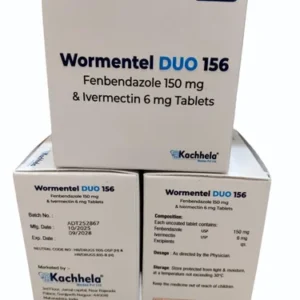
Wormentel Duo 156mg (Fenbendazole/Ivermectin)
Active Ingredient: Fenbendazole/Ivermectin Indication: Parasitic infections, Anti-Worm Manufacturer: Kachhela Medex Pvt. Ltd. Packaging: 10 tablets in 1 strip Strength: 156mg Delivery Time: 12 to 17 days Price range: $85.00 through $210.00Wormentel Duo 156mg (Fenbendazole/Ivermectin)
Price range: $85.00 through $210.00 -
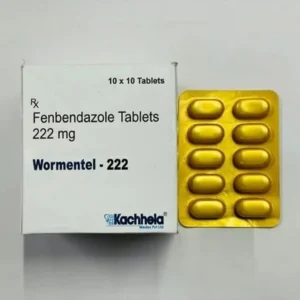
Wormentel 222Mg (Fenbendazole)
Active Ingredient: Fenbendazole Indication: Treat a Variety of Parasites Manufacturer: Kachhela Medex Pvt. Ltd. Packaging: 10 tablets in 1 strip Strength: 150mg, 222mg, 444mg, 500mg, 888mg, 1000mg, Delivery Time: 12 to 17 days Price range: $20.00 through $150.00Wormentel 222Mg (Fenbendazole)
Price range: $20.00 through $150.00