
Mebendazole: Complete Guide to Antiparasitic Treatment
Introduction:-
Mebendazole is a widely prescribed antiparasitic medication that effectively treats various intestinal worm infections. This essential medicine belongs to the benzimidazole class of anthelmintic drugs and has been helping patients eliminate parasitic worms for decades. Healthcare providers commonly recommend mebendazole for treating common intestinal parasites that can affect both children and adults, making it one of the most important medications in parasitic infection management.
Understanding how mebendazole works and its proper usage is crucial for achieving successful treatment outcomes while minimizing potential side effects.
What is Mebendazole?
Mebendazole is an anthelmintic medication specifically designed to combat parasitic worm infections in the human digestive system. The active ingredient, mebendazole, works by targeting the cellular structure of various parasitic worms, effectively eliminating them from the body.
This medication is classified as a broad-spectrum antiparasitic drug, meaning it can treat multiple types of worm infections simultaneously. Mebendazole is available in several formulations:
- Chewable tablets (typically 100mg)
- Oral suspension for children
- Regular tablets for adult patients
The World Health Organization recognizes mebendazole as an essential medicine for treating neglected tropical diseases, highlighting its importance in global health initiatives. Unlike antibiotics that target bacteria, mebendazole specifically works against parasitic worms and is ineffective against viral, bacterial, or fungal infections.
How Does Mebendazole Work?
Mebendazole employs a sophisticated mechanism to eliminate parasitic worms from the human body. The medication works by interfering with the parasites’ ability to absorb glucose, which is their primary energy source. This process effectively starves the worms, leading to their eventual death.
The drug specifically targets a protein called tubulin, which parasites need to maintain their cellular structure and perform essential functions. When mebendazole binds to tubulin, it prevents the formation of microtubules – tiny structures that worms require for nutrient absorption and cellular maintenance.
This dual action approach makes mebendazole particularly effective because it:
- Blocks glucose uptake, starving the parasites
- Disrupts cellular structure, preventing normal parasite function
- Affects both adult worms and developing larvae
- Prevents egg production in female worms
The medication typically takes several days to eliminate worms from the system, as it works gradually to ensure thorough parasite clearance.
Browse Related Content:- Anti-Worm: Complete Guide to Deworming Treatments.
Medical Uses of Mebendazole:-
Healthcare professionals prescribe mebendazole for treating various intestinal parasitic infections. The medication is particularly effective against:
Common Intestinal Worm Infections:
- Pinworm infections (Enterobius vermicularis) – the most common indication
- Roundworm infections (Ascaris lumbricoides)
- Hookworm infections (Ancylostoma duodenale and Necator americanus)
- Whipworm infections (Trichuris trichiura)
- Mixed parasitic infections involving multiple worm types
Additional Treatment Applications:
- Prevention of reinfection in high-risk environments
- Treatment of family members when one person has pinworms
- Community-wide treatment programs in endemic areas
- Post-travel treatment for parasitic infections acquired abroad
The specific type of infection determines the treatment duration and whether additional doses or family treatment may be necessary. Your healthcare provider will determine the most appropriate treatment plan based on your specific diagnosis.
Dosage and Administration:-
The dosage of mebendazole varies depending on the type of parasitic infection, patient age, and individual circumstances. Always follow your healthcare provider’s specific instructions, as the following information serves as general guidance only.
Standard Dosage Guidelines:
For Pinworm Infections:
- Adults and children over 2 years: 100mg as a single dose
- The second dose may be recommended after 2-3 weeks
- Family members are often treated simultaneously
For Other Intestinal Worms:
- Adults and children over 2 years: 100mg twice daily for 3 consecutive days
- Some infections may require extended treatment courses
Administration Instructions:
- Take with or without food, as directed by your doctor
- Chew tablets thoroughly or swallow whole with water
- Complete the full course even if symptoms improve
- Maintain good hygiene practices during treatment
- Wash your hands frequently, especially before meals and after using the bathroom
Missed Dose Instructions:
If you miss a dose, take it as soon as you remember. However, if it’s almost time for your next scheduled dose, skip the missed dose and continue with your regular schedule. Never double the dose to catch up.
Possible Side Effects:-
Mebendazole is generally well-tolerated by most patients, but like all medications, it can cause side effects in some individuals. Most side effects are mild and temporary.
Common Side Effects:
- Stomach pain or cramping
- Diarrhea
- Nausea
- Vomiting
- Loss of appetite
- Dizziness
- Headache
Serious Side Effects (Rare):
- Severe allergic reactions (difficulty breathing, swelling of the face or throat)
- Severe skin rash or blistering
- Persistent vomiting
- Signs of liver problems (yellowing of skin or eyes)
- Unusual bleeding or bruising
- Fever with severe stomach pain
Contact your healthcare provider immediately if you experience any serious side effects. Most common side effects resolve on their own within a few days of completing treatment.
Safety Precautions:-
Several important safety considerations apply when using mebendazole:
Pregnancy and Breastfeeding:
- Pregnancy: Generally avoided during the first trimester; consult your doctor about risks and benefits
- Breastfeeding: Small amounts may pass into breast milk; discuss with your healthcare provider
- Use effective contraception during treatment if you’re of childbearing age
Medical Conditions:
- Liver disease: May require dose adjustment or additional monitoring
- Kidney problems: Inform your doctor about any kidney conditions
- Inflammatory bowel disease: Special consideration may be needed
Allergies:
- Tell your doctor about any known allergies to mebendazole or similar medications
- Report previous allergic reactions to antiparasitic drugs
Alcohol Use:
- Limit alcohol consumption during treatment
- Alcohol may worsen stomach upset and other side effects
Drug Interactions:-
Mebendazole can interact with certain medications, potentially affecting its effectiveness or increasing side effects:
Significant Drug Interactions:
- Metronidazole: May increase risk of serious skin reactions
- Cimetidine: Can increase mebendazole blood levels
- Carbamazepine: May reduce mebendazole effectiveness
- Phenytoin: Can decrease mebendazole levels in the body
Other Considerations:
- Supplements: Some dietary supplements may affect absorption
- Herbal products: Inform your doctor about all herbal medications
- Antacids: May affect how well mebendazole is absorbed
Always provide your healthcare provider with a complete list of all medications, supplements, and herbal products you’re currently taking.
Storage Instructions:-
Proper storage ensures mebendazole maintains its effectiveness and safety:
- Store at room temperature between 15°C to 30°C (59°F to 86°F)
- Keep in original container away from light and moisture
- Store in a dry place, not in bathrooms or near heat sources
- Keep out of reach of children and pets
- Do not use after the expiration date
- Dispose of unused medication through pharmacy take-back programs
- Do not flush medications down the toilet or sink
Check expiration dates regularly and never use expired mebendazole, as it may be less effective or potentially harmful.
Benefits of Mebendazole:-
Mebendazole offers several important advantages in treating parasitic infections:
Treatment Effectiveness:
- High success rates for common intestinal worm infections
- Broad-spectrum activity against multiple parasite types
- Effective against both adult worms and larvae
- Prevents reinfection when used properly
Patient Convenience:
- Short treatment courses for most infections
- Available in child-friendly formulations
- Can be taken with or without food
- Generally well-tolerated with minimal side effects
Who Should Avoid This Medicine?
Certain individuals may need to avoid mebendazole or use it with special caution:
Contraindications:
- Known allergy to mebendazole or benzimidazole medications
- Children under 2 years of age (unless specifically prescribed)
- Patients with severe liver disease (without medical supervision)
Special Caution Required:
- Pregnant women, especially during the first trimester
- Breastfeeding mothers
- Patients with inflammatory bowel disease
- Individuals with compromised immune systems
- Patients taking multiple medications
Your healthcare provider will evaluate your medical history and current medications to determine if mebendazole is appropriate for your situation.
FAQs (Frequently Asked Questions)?
1. How long does mebendazole take to work?
Mebendazole begins working within hours of administration, but complete parasite elimination typically takes 1-3 days for most intestinal worms. You may continue to see dead worms in stool for several days after treatment, which is normal and indicates the medication is working effectively.
2. Can mebendazole be taken daily for prevention?
Mebendazole is not recommended for daily preventive use. It’s prescribed for specific infections with defined treatment courses. For prevention, focus on good hygiene practices, proper food handling, and clean water consumption.
3. Is it safe to take mebendazole during pregnancy?
Mebendazole is generally avoided during the first trimester of pregnancy. For later pregnancy stages, your doctor will weigh the benefits against potential risks. Never take mebendazole during pregnancy without consulting your healthcare provider first.
4. Can children take mebendazole safely?
Yes, mebendazole is commonly prescribed for children over 2 years of age. The dosage is typically the same as adults for most infections. Always follow pediatric dosing instructions provided by your healthcare provider and ensure proper administration.
5. What should I do if symptoms don’t improve after treatment?
If symptoms persist after completing the prescribed course, contact your healthcare provider. You may need additional treatment, testing to confirm parasite elimination, or evaluation for other conditions. Don’t take additional doses without medical guidance.
6. Can I drink alcohol while taking mebendazole?
It’s best to limit or avoid alcohol during mebendazole treatment. Alcohol can worsen stomach upset and other side effects. Additionally, alcohol may interfere with your body’s ability to fight the infection effectively.
7. Do I need to treat my entire family if one person has pinworms?
For pinworm infections, healthcare providers often recommend treating all household members simultaneously, even if they don’t have symptoms. Pinworms are highly contagious, and asymptomatic family members may be infected and contribute to reinfection cycles.
8. How can I prevent reinfection after treatment?
Prevent reinfection by washing hands frequently, keeping fingernails short and clean, washing bedding and clothing in hot water, vacuuming living areas thoroughly, and maintaining good personal hygiene. Avoid scratching the anal area, especially at night.
Conclusion:-
Mebendazole represents a cornerstone treatment for intestinal parasitic infections, offering effective therapy with a well-established safety profile. Its broad-spectrum activity against common intestinal worms makes it an invaluable tool for both individual treatment and public health initiatives worldwide.
The medication’s effectiveness depends on proper diagnosis, appropriate dosing, and patient compliance with treatment recommendations. While generally well-tolerated, understanding potential side effects and safety precautions helps ensure optimal treatment outcomes.
Success with mebendazole treatment extends beyond taking the medication – maintaining good hygiene practices and following prevention strategies are equally important for preventing reinfection. Regular follow-up with your healthcare provider may be necessary to confirm treatment success and address any concerns.
For optimal results, combine mebendazole treatment with comprehensive hygiene measures and lifestyle modifications that reduce the risk of future parasitic infections.
Medical Disclaimer:-
This information is provided for educational purposes only and is not intended to replace professional medical advice, diagnosis, or treatment. Always consult your healthcare provider before starting any new medication or if you have questions about your medical condition. The content presented here should not be used for self-diagnosis or self-treatment. If you experience a medical emergency, contact your doctor or emergency services immediately. Individual responses to medications may vary, and this information may not apply to your specific situation.
-

Lupimeb 100mg (Mebendazole)
Active Ingredient: Mebendazole Indication: Worm infections Manufacturer: Lupin Limited Packaging: 6 tablets in 1 strip Strength: 100mg Delivery Time: 12 to 17 days Price range: $15.00 through $30.00Lupimeb 100mg (Mebendazole)
Price range: $15.00 through $30.00 -

Mebex 100mg (Mebendazole)
Active Ingredient: Mebendazole Indication: Worm infections Manufacturer: Cipla Limited Packaging: 6 Tablets in a strip Strength: 100mg Delivery Time: 12 to 17 days Price range: $10.00 through $25.00Mebex 100mg (Mebendazole)
Price range: $10.00 through $25.00 -
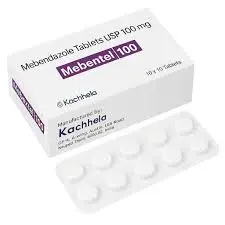
Mebentel 100Mg (Mebendazole)
Active Ingredient: Mebendazole Indication: Worm infections Manufacturer: Kachhela Medex Pvt. Ltd. Packaging: 10 tablets in 1 strip Strength: 100mg, 500mg Delivery Time: 12 to 17 days Price range: $30.00 through $150.00Mebentel 100Mg (Mebendazole)
Price range: $30.00 through $150.00