
Introduction of Pyrantel:-
Pyrantel is a widely trusted antiparasitic medication specifically designed to treat various intestinal worm infections. As an over-the-counter and prescription treatment, pyrantel has helped millions of patients effectively eliminate common parasitic worms that can cause significant discomfort and health complications. This medication belongs to the anthelmintic class of drugs and is particularly valued for its safety profile and effectiveness against several types of intestinal parasites.
Understanding how pyrantel works, its proper usage, and potential side effects is essential for achieving the best treatment outcomes. Healthcare providers frequently recommend pyrantel as a first-line treatment for certain parasitic infections due to its proven efficacy and generally mild side effect profile.
What is Pyrantel?
Pyrantel, also known by its chemical name pyrantel pamoate, is an anthelmintic medication that belongs to the tetrahydropyrimidine class of antiparasitic drugs. First developed in the 1960s, this medication has become a cornerstone treatment for intestinal worm infections worldwide.
The medication is available in several formulations to accommodate different patient needs:
- Oral liquid suspension (most common form)
- Chewable tablets
- Regular tablets
- Capsules
Pyrantel specifically targets parasitic worms that inhabit the human intestinal tract. Unlike broad-spectrum antibiotics, pyrantel works exclusively against certain types of worms and does not affect bacterial, viral, or fungal infections. This selective action makes it particularly useful for treating confirmed parasitic infections without disrupting the body’s normal bacterial flora.
The medication is often available without a prescription for certain conditions, making it accessible for patients who need prompt treatment for common worm infections. However, proper diagnosis and medical guidance remain important for optimal treatment outcomes.
How Does Pyrantel Work?
Pyrantel works through a unique mechanism that specifically targets the nervous system of parasitic worms. The medication acts as a neuromuscular blocking agent, causing paralysis in the worms by interfering with their ability to control muscle movement.
When pyrantel enters the digestive system, it binds to specific receptors in the worm’s nervous system called nicotinic acetylcholine receptors. This binding action blocks normal nerve transmission, preventing the worms from coordinating their muscle movements effectively.
The paralyzed worms lose their ability to:
- Maintain their grip on the intestinal wall
- Move through the digestive tract
- Feed and absorb nutrients
- Reproduce effectively
Once paralyzed, the worms are naturally eliminated from the body through normal bowel movements. This process typically occurs within 24 to 72 hours after taking the medication, though dead or paralyzed worms may not always be visible in stool samples.
Importantly, pyrantel primarily affects adult worms and has limited activity against worm eggs. This is why healthcare providers sometimes recommend repeat doses or combination treatments for certain infections.
View Complete Article:- Anti-Worm: Complete Guide to Deworming Treatments.
Medical Uses of Pyrantel:-
Healthcare providers prescribe pyrantel for treating several specific types of intestinal parasitic infections:
Primary Treatment Conditions:
- Pinworm infections (Enterobius vermicularis) – the most common use
- Roundworm infections (Ascaris lumbricoides)
- Hookworm infections (Ancylostoma duodenale and Necator americanus)
- Large roundworm infections
Secondary Treatment Applications:
- Mixed parasitic infections involving susceptible worm species
- Preventive treatment in high-risk environments
- Treatment of reinfection cases
- Family member treatment when one person is diagnosed with certain worm infections
Off-Label Uses:
In some cases, healthcare providers may recommend pyrantel for other parasitic conditions based on their clinical judgment and patient-specific factors. However, the medication is not effective against all types of parasites, including tapeworms, flukes, or certain tissue-dwelling parasites.
The specific type of worm infection determines the treatment approach, dosage, and whether additional medications or repeat treatments may be necessary.
Dosage and Administration:-
Pyrantel dosage varies based on the patient’s age, weight, and the specific type of infection being treated. Always follow your healthcare provider’s instructions or the package directions carefully.
General Dosage Guidelines:
For Adults and Children over 2 years:
- Standard dose: 11 mg per kg of body weight (maximum 1 gram)
- Typical adult dose: 750mg to 1 gram as a single dose
- Children’s dose is calculated based on weight
Administration Instructions:
- Take pyrantel on an empty stomach when possible for better absorption
- Shake liquid formulations well before measuring each dose
- Use the measuring device provided with liquid medications
- Chewable tablets should be chewed thoroughly before swallowing
- The medication can be taken with or without food if stomach upset occurs
Important Treatment Notes:
- Complete the full treatment course as directed
- Some infections may require a second dose after 2-3 weeks
- Family members may need simultaneous treatment for certain infections, like pinworms
- Follow the hygiene measures recommended by your healthcare provider
Never exceed the recommended dosage and consult your healthcare provider if you have questions about proper administration.
Possible Side Effects:-
Most patients tolerate pyrantel well, but like all medications, it can cause side effects in some individuals. Understanding potential reactions helps you recognize normal treatment responses versus concerning symptoms.
Common Side Effects:
- Mild stomach upset or nausea
- Stomach cramps or abdominal discomfort
- Diarrhea or loose stools
- Vomiting (usually mild)
- Loss of appetite
- Dizziness or mild headache
- Temporary changes in stool color
Serious Side Effects (Rare):
- Severe allergic reactions (rash, itching, swelling)
- Difficulty breathing or wheezing
- Severe or persistent vomiting
- Signs of liver problems (yellowing of skin or eyes)
- Unusual weakness or fatigue
- Severe abdominal pain
When to Seek Medical Attention?
Contact your healthcare provider immediately if you experience severe allergic reactions, persistent vomiting, or any symptoms that concern you. Most mild side effects resolve on their own within a few days of treatment.
Remember that seeing dead worms in stool after treatment is normal and indicates the medication is working effectively.
Safety Precautions:-
Several important safety considerations apply when using pyrantel:
Pregnancy and Breastfeeding:
- Pregnancy: Generally considered safe during pregnancy, but consult your doctor first
- Breastfeeding: Small amounts may pass into breast milk; discuss risks and benefits with your healthcare provider
- Always inform your doctor if you are pregnant, planning to become pregnant, or breastfeeding
Medical Conditions:
- Liver disease: Use with caution and medical supervision
- Kidney problems: Dosage adjustments may be necessary
- Severe malnutrition: May require additional medical monitoring
- Anemia: Could potentially worsen in rare cases
Allergies:
- Inform your healthcare provider about any known allergies to pyrantel or similar medications
- Report any previous adverse reactions to antiparasitic medications
- Be aware of inactive ingredients in formulations that might cause allergic reactions
Age Considerations:
- Not typically recommended for children under 2 years of age
- Elderly patients may need closer monitoring
- Dosing in children requires careful weight-based calculations
Drug Interactions:-
Pyrantel has relatively few significant drug interactions, but some combinations require attention:
Important Interactions:
- Piperazine: Should not be used simultaneously with pyrantel as they may counteract each other’s effects
- Other antiparasitic medications: May require spacing between doses
- Antacids: Could potentially affect absorption if taken simultaneously
General Interaction Guidelines:
- Inform your healthcare provider about all medications you’re currently taking
- Include prescription drugs, over-the-counter medications, and supplements
- Mention any herbal products or alternative treatments
- Space doses of different medications as recommended by your healthcare provider
Food and Lifestyle Interactions:
- No significant food restrictions during treatment
- Alcohol consumption is generally not restricted, but consult your doctor
- Maintain good hygiene practices during and after treatment
Storage Instructions:-
Proper storage ensures pyrantel maintains its effectiveness and safety throughout its shelf life:
- Store at room temperature between 68°F to 77°F (20°C to 25°C)
- Keep in the original container with the lid tightly closed
- Protect from excessive heat, moisture, and direct sunlight
- Do not store in bathrooms or other humid areas
- Keep liquid formulations from freezing
- Store safely out of reach of children and pets
- Check expiration dates regularly and dispose of expired medication
- Do not use if the liquid appears discolored or contains particles
For liquid formulations, check the product label for specific storage requirements, as some may need refrigeration while others should be stored at room temperature.
Benefits of Pyrantel:-
Pyrantel offers several significant advantages in treating intestinal parasitic infections:
Treatment Effectiveness:
- High success rates for treating pinworm, roundworm, and hookworm infections
- Fast-acting with visible results often within 24-48 hours
- Single-dose treatment for many infections
- Proven safety record over decades of use
Patient Convenience:
- Available without prescription for many conditions
- Multiple formulation options for different patient preferences
- Generally well-tolerated with minimal side effects
- Cost-effective treatment option
Clinical Advantages:
- Does not require dietary restrictions during treatment
- Suitable for family-wide treatment when appropriate
- Minimal impact on normal intestinal bacteria
- Safe for use during pregnancy when medically necessary
FAQs (Frequently Asked Questions)?
1. How quickly does pyrantel start working?
Pyrantel begins working within hours of administration, paralyzing the worms. You may start seeing dead or paralyzed worms in stool within 24-48 hours. Complete elimination typically occurs within 72 hours of treatment.
2. Can I take pyrantel if I’m not sure I have worms?
It’s best to have a confirmed diagnosis before taking pyrantel. While the medication is generally safe, unnecessary treatment isn’t recommended. Consult your healthcare provider for proper testing if you suspect a parasitic infection.
3. Is it safe to take pyrantel multiple times?
Yes, pyrantel can be safely taken multiple times when medically necessary. Some infections require a second dose after 2-3 weeks. However, always follow your healthcare provider’s recommendations regarding repeat treatments.
4. Can children take pyrantel safely?
Pyrantel is generally safe for children over 2 years of age when dosed appropriately based on body weight. Always use pediatric formulations and follow dosing instructions carefully for children.
5. What should I do if I vomit after taking pyrantel?
If you vomit within one hour of taking pyrantel, contact your healthcare provider about whether you need to repeat the dose. If vomiting occurs later, the medication has likely been absorbed.
6. Do I need to change my diet while taking pyrantel?
No special diet is required while taking pyrantel. You can eat normally unless your healthcare provider gives specific dietary instructions. Taking the medication on an empty stomach may improve absorption.
7. Can I drink alcohol while taking pyrantel?
There are no specific restrictions on alcohol consumption with pyrantel. However, avoiding alcohol may help reduce the risk of stomach upset and allow your body to focus on fighting the infection.
8. How do I know if the treatment worked?
Successful treatment is indicated by symptom improvement and the absence of worms in follow-up testing if performed. Some infections may require follow-up stool samples to confirm clearance of the parasites.
Conclusion:-
Pyrantel stands as a reliable and effective treatment option for several common intestinal parasitic infections. Its proven safety profile, ease of administration, and high success rates make it a valuable medication for both healthcare providers and patients dealing with worm infections.
The medication’s ability to provide rapid relief from parasitic infections, combined with its availability in multiple formulations, ensures that patients can receive appropriate treatment tailored to their specific needs. Understanding proper usage, potential side effects, and safety precautions helps maximize treatment success while minimizing risks.
While pyrantel is effective against several types of intestinal worms, proper diagnosis remains essential for optimal treatment outcomes. Following healthcare provider recommendations, completing the full treatment course, and maintaining good hygiene practices all contribute to successful parasite elimination and prevention of reinfection.
For patients dealing with confirmed parasitic infections, pyrantel offers an accessible, effective solution that has helped improve the health and quality of life for millions of people worldwide.
Medical Disclaimer:-
This information is provided for educational purposes only and is not intended to replace professional medical advice, diagnosis, or treatment. Always consult qualified healthcare providers before starting any new medication or if you have questions about your medical condition. Never disregard professional medical advice or delay seeking treatment because of information you have read here. If you experience a medical emergency, contact your doctor or emergency services immediately. Individual results may vary, and this information does not guarantee specific treatment outcomes.
-
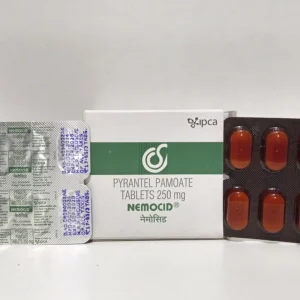
Nemocid 250Mg (Pyrantel)
Active Ingredient: Pyrantel Indication: Worm infections Manufacturer: Ipca Laboratories Ltd Packaging: 3 tablets in 1 strip Strength: 250mg Delivery Time: 12 to 17 days Price range: $35.00 through $110.00Nemocid 250Mg (Pyrantel)
Price range: $35.00 through $110.00