
Antiviral Medications for Chickenpox: Pharmacist-Approved Guide for 2026
Introduction:-
When red, itchy blisters begin appearing across a child’s body, accompanied by fever and discomfort, parents face a familiar yet concerning scenario: chickenpox. While this highly contagious viral infection was once considered a childhood rite of passage, modern antiviral medications have transformed how we approach treatment and prevention. Antiviral drugs specifically designed for chickenpox can significantly reduce symptom severity, shorten illness duration, and prevent serious complications—particularly crucial for high-risk patients. As a licensed pharmacist with over 15 years of experience treating pediatric viral infections, I’ve guided countless families through chickenpox episodes, helping them understand when antiviral treatment is necessary versus supportive care alone. The varicella-zoster virus (VZV) that causes chickenpox requires precise timing and appropriate medication selection for optimal outcomes. This comprehensive guide will walk you through everything you need to know about chickenpox antiviral therapy, from recognizing early symptoms to understanding the latest treatment protocols. Whether you’re a parent facing your child’s first chickenpox outbreak or caring for an immunocompromised family member, this evidence-based resource will help you make informed decisions about viral infection management and when to seek professional medical care.
Understanding Chickenpox (Varicella):-
Chickenpox, medically known as varicella, is a highly contagious infection caused by the varicella-zoster virus (VZV). Before the introduction of the varicella vaccine in 1995, nearly all children contracted chickenpox, resulting in approximately 4 million cases annually in the United States, according to the Centers for Disease Control and Prevention (CDC).
How Chickenpox Spreads and Develops?
The varicella-zoster virus spreads through respiratory droplets when an infected person coughs or sneezes, as well as through direct contact with the characteristic fluid-filled blisters. The virus is so contagious that 85-90% of susceptible household contacts will develop the disease after exposure.
Classic Symptoms and Disease Progression-
Early Stage (Days 1-2):
- Low-grade fever (100-102°F)
- Headache and general malaise
- Loss of appetite
- Mild abdominal pain
Active Rash Stage (Days 3-7):
- Red, itchy spots that quickly develop into fluid-filled vesicles
- New crops of lesions appearing in waves
- Lesions progress from vesicles to pustules to scabs
- Intense itching that can lead to scratching and secondary bacterial infections
High-Risk Populations Requiring Antiviral Intervention-
While chickenpox is typically mild in healthy children, certain populations face increased risk of severe complications and require prompt antiviral medication consideration:
- Immunocompromised patients: Those with cancer, HIV, or taking immunosuppressive medications
- Adults over 13 years: Experience more severe symptoms and higher complication rates
- Pregnant women: Risk of pneumonia and potential fetal complications
- Newborns: Particularly those whose mothers develop chickenpox within 5 days before to 2 days after delivery
- Patients with chronic conditions, Such as asthma, diabetes, or heart disease
According to the American Academy of Pediatrics, hospitalization rates for chickenpox complications are 2-3 times higher in adults compared to children, with pneumonia occurring in up to 20% of adult cases.
Top Antiviral Recommendations for Chickenpox:-
The following evidence-based antiviral treatments represent the current standard of care for chickenpox, particularly when initiated within 24 hours of rash onset. All medications require healthcare provider evaluation and prescription.
| Drug Name (Brand) | Primary Use | Typical Dosage | Key Benefits | Common Side Effects | Age Restrictions | Avg. Price Range* |
|---|---|---|---|---|---|---|
| Acyclovir (Zovirax®) | Primary chickenpox antiviral | Children: 20 mg/kg (max 800mg) 4x daily for 5 days Adults: 800mg 5x daily for 7-10 days |
Gold standard treatment; reduces fever duration by 1 day, lesion healing by 2-3 days | Nausea, diarrhea, headache, dizziness | Safe for all ages, including newborns | $15-$40 (generic oral) |
| Valacyclovir (Valtrex®) | Alternative for adolescents/adults | Adults/Teens ≥12: 1000mg 3x daily for 7 days | Better oral absorption than acyclovir; more convenient dosing schedule | Headache, nausea, abdominal pain | Approved for ages 12+ only | $80-$200 |
| Famciclovir (Famvir®) | Secondary option for adults | Adults: 500mg 3x daily for 7 days | An effective alternative when acyclovir is not tolerated | Headache, nausea, diarrhea | Adults only (18+) | $150-$350 |
| Acyclovir IV | Severe/hospitalized cases | Dose calculated by weight and kidney function | Life-saving for severe chickenpox pneumonia or encephalitis | Kidney toxicity and neurological effects if given too rapidly | All ages with dose adjustment | High (hospital admin) |
| Varicella-Zoster Immune Globulin (VZIG) | Post-exposure prevention | Single IM injection within 96 hours of exposure | Prevents or reduces severity in high-risk exposed individuals | Injection site pain, rare allergic reactions | All ages for prevention | $500-$1,500 |
*Prices are estimates and vary by pharmacy, insurance coverage, and manufacturer programs.
Over-the-Counter Supportive Medications-
While no OTC medications directly treat the varicella virus, several help manage symptoms:
- Acetaminophen (Tylenol®): Fever and pain relief (avoid aspirin in children due to Reye’s syndrome risk)
- Calamine lotion: Topical itch relief
- Diphenhydramine (Benadryl®): Antihistamine for severe itching
- Colloidal oatmeal baths: Natural itch relief and skin soothing
Pharmacist Decision-Making Criteria-
Age-Specific Considerations:
- Infants (0-12 months): Always require antiviral therapy due to immature immune systems
- Children (1-12 years): Antiviral therapy optional for healthy children; recommended for moderate-severe cases
- Adolescents (13-18 years): Higher complication risk; antiviral therapy generally recommended
- Adults (18+ years): Antiviral therapy strongly recommended due to increased severity
Timing Considerations: The effectiveness of antiviral drugs for chickenpox is highly time-dependent. According to FDA guidelines and clinical studies published in the Journal of Pediatrics, maximum benefit occurs when treatment begins within 24 hours of rash onset. After 72 hours, antiviral efficacy diminishes significantly.
Contraindications and Precautions:
- Kidney disease: Acyclovir requires dose adjustment based on creatinine clearance
- Dehydration: Ensure adequate hydration before starting oral antivirals
- Drug allergies: Screen for previous reactions to acyclovir or related medications
- Pregnancy: Acyclovir is FDA pregnancy category B; benefits typically outweigh risks
Safety, Side Effects & Interactions:-
Antiviral medications for chickenpox are generally well-tolerated, but understanding potential adverse effects ensures safe use across all age groups.
Common Side Effects by Medication-
Acyclovir (Most Common Choice):
- Gastrointestinal: Nausea (5-10% of patients), vomiting, diarrhea, abdominal pain
- Neurological: Headache, dizziness, confusion (rare, more common with IV dosing)
- Other: Fatigue, skin rash (different from chickenpox rash)
Valacyclovir:
- Similar profile to acyclovir but may have slightly higher rates of headache and nausea due to better absorption
- Rare but serious: Thrombotic thrombocytopenic purpura (TTP) in immunocompromised patients
Serious Adverse Events and Monitoring-
Kidney Toxicity (Nephrotoxicity): All acyclovir-based antivirals can potentially cause kidney damage, particularly with IV administration or in dehydrated patients. The mechanism involves crystallization of the drug in kidney tubules.
Warning Signs to Watch For:
- Decreased urination
- Swelling of legs, ankles, or feet
- Unusual fatigue or weakness
- Nausea or vomiting that prevents keeping fluids down
Drug Interactions and Contraindications-
| Interacting Drug Class | Examples | Risk Level | Management Strategy |
|---|---|---|---|
| Nephrotoxic medications | NSAIDs (ibuprofen), aminoglycosides, cyclosporine | Moderate to High | Monitor kidney function; ensure adequate hydration |
| Probenecid | Gout medication | Moderate | May increase acyclovir levels; monitor for side effects |
| Mycophenolate | Immunosuppressant | Moderate | Potential for increased levels of both drugs |
| Live vaccines | Varicella vaccine, MMR | High | Avoid live vaccines during antiviral treatment |
Pediatric Safety Considerations-
According to the American Academy of Pediatrics, acyclovir has an excellent safety profile in children when dosed appropriately. Key pediatric considerations include:
- Weight-based dosing: Prevents overdosing in small children
- Liquid formulations: Available for children who cannot swallow pills
- Hydration: Ensure adequate fluid intake to prevent kidney complications
- Never use aspirin: Risk of Reye’s syndrome in children with viral infections
Expert Tips from Pharmacists:-
As medication experts who counsel families through chickenpox episodes daily, pharmacists offer invaluable practical guidance for optimizing antiviral treatment outcomes.
Timing and Administration Best Practices
1. The 24-Hour Rule is Critical The most important factor determining antiviral success is early initiation. I counsel parents to contact their healthcare provider immediately upon noticing the first few chickenpox lesions, even before the full rash develops. Studies show that starting acyclovir within 24 hours can reduce:
- Total number of lesions by 25-30%
- Time to healing by 1-2 days
- Fever duration by approximately 1 day
- Time until no new lesions appear by 1 day
2. Proper Dosing and Administration
- Take with food: Acyclovir absorption is not significantly affected by food, but taking with meals can reduce stomach upset
- Maintain consistent timing: Space doses evenly throughout the day to maintain drug levels
- Complete the full course: Even if symptoms improve dramatically, finish all prescribed medication to prevent viral resistance
- Stay hydrated: Drink plenty of fluids to support kidney function and overall recovery
3. Liquid Medication Tips for Children Many parents struggle with giving liquid acyclovir to sick children. Pro tips:
- Chill the medication to improve taste
- Use an oral syringe for accurate dosing
- Follow with a favorite drink or small treat
- Never mix with baby formula or large volumes of liquid
Combination Therapy Strategies
Effective Symptom Management Combinations:
- Antiviral + Topical relief: Acyclovir internally plus calamine lotion externally
- Fever management: Acetaminophen every 4-6 hours (never aspirin in children)
- Itch control: Oral antihistamines plus cool oatmeal baths
- Skin care: Keep nails short, use cotton gloves at night to prevent scratching
When to Escalate Care?
Contact healthcare providers immediately if experiencing:
- High fever (>102°F) persisting after 2-3 days of antiviral treatment
- Signs of bacterial secondary infection (red, warm, swollen lesions with pus)
- Difficulty breathing or persistent cough
- Severe headache or neck stiffness
- Vomiting that prevents keeping medication down
- Signs of dehydration (decreased urination, dry mouth, lethargy)
Conclusion:-
Antiviral medications have revolutionized chickenpox treatment, transforming what was once an inevitable week of misery into a more manageable illness when treated promptly and appropriately. The key to successful chickenpox antiviral therapy lies in early recognition, rapid medical evaluation, and timely initiation of treatment—preferably within 24 hours of rash onset. While acyclovir remains the gold standard antiviral drug for chickenpox across all age groups, the decision to treat should always involve careful consideration of patient risk factors, symptom severity, and timing. Remember that antiviral treatment works best as part of a comprehensive care approach that includes proper symptom management, hydration, and monitoring for complications. Whether you’re caring for a healthy child with mild chickenpox or an immunocompromised family member requiring intensive treatment, partnering with your healthcare team ensures the best possible outcomes. Visit our pharmacy for personalized medication counseling and to discuss any questions about chickenpox antiviral options—we’re here to support your family’s health journey with expert guidance and compassionate care.
Frequently Asked Questions (FAQs)?
Q: Are antiviral medications safe for babies with chickenpox?
A: Yes, acyclovir is FDA-approved and safe for newborns and infants when properly dosed by weight. Babies are actually at higher risk for complications and should receive antiviral treatment promptly. The dose is carefully calculated as 20 mg/kg every 6 hours for 5 days.
Q: Can my child attend school while taking antiviral medication for chickenpox?
A: No, children with chickenpox are contagious until all lesions have crusted over, typically 5-7 days after rash onset. Taking antiviral medication doesn’t reduce the contagious period significantly. Follow your school’s exclusion policy, which usually requires all lesions to be scabbed over before returning.
Q: Will antiviral drugs prevent my child from getting natural immunity to chickenpox?
A: This is a common concern with no scientific basis. Antiviral medications reduce viral replication but don’t prevent the immune system from recognizing and developing antibodies to the varicella virus. Children treated with antivirals still develop long-lasting immunity to chickenpox.
Q: Can adults take the same antiviral medications as children for chickenpox?
A: Adults can use the same medications but require different dosing. Adults typically receive higher doses (800mg five times daily) and longer treatment courses (7-10 days) compared to children. Valacyclovir may be preferred in adults due to its more convenient three-times-daily dosing.
Q: What if we start antiviral treatment after 24 hours of rash onset?
A: While maximum benefit occurs within 24 hours, starting antiviral therapy up to 72 hours after rash onset can still provide some benefit, particularly in high-risk patients. After 72 hours, the benefit is minimal in healthy children but may still be worthwhile in immunocompromised individuals or adults.
Q: Can pregnant women take antiviral medications for chickenpox?
A: Yes, acyclovir is considered safe during pregnancy (FDA category B) and is strongly recommended for pregnant women who develop chickenpox due to the increased risk of pneumonia and other serious complications. The benefits of treatment far outweigh any theoretical risks.
Q: How long does it take for antiviral medications to start working?
A: Parents often notice reduced fever and decreased new lesion formation within 24-48 hours of starting treatment. The medication begins working immediately to stop viral replication, but visible improvement takes 1-2 days as the body’s immune system gains control over the infection.
⚠️ Medical Disclaimer:-
This information is for educational purposes only and is not a substitute for professional medical advice, diagnosis, or treatment. Always seek the advice of your physician or other qualified health provider with any questions you may have regarding a medical condition or medication. Never disregard professional medical advice or delay seeking it because of something you have read here.
-
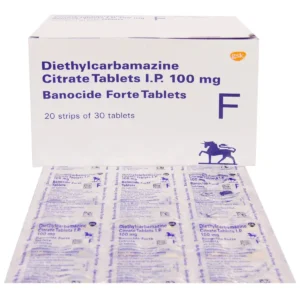
Banocide Forte 100 Mg (Diethylcarbamazine)
Active Ingredient Diethylcarbamazine Manufacturer GlaxoSmithKline Pharmaceuticals Ltd Packaging 20 tablets in 1 strip & 30 tablets in 1 strip Strength 100mg Delivery Time 6 To 15 days SKU: Banocide Forte 100 Mg (Diethylcarbamazine) Price range: $13.50 through $25.50Banocide Forte 100 Mg (Diethylcarbamazine)
Price range: $13.50 through $25.50 -
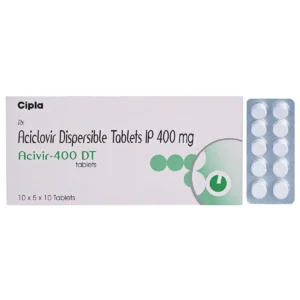
Aciclovir 400 Mg (Acyclovir)
Active Ingredient Acyclovir Manufacturer Healing Pharma, India Packaging 10 Tablets in Strip Strength 400mg Delivery Time 6 To 15 days SKU: Aciclovir 400 Mg (Acyclovir) Price range: $34.00 through $90.00Aciclovir 400 Mg (Acyclovir)
Price range: $34.00 through $90.00 -
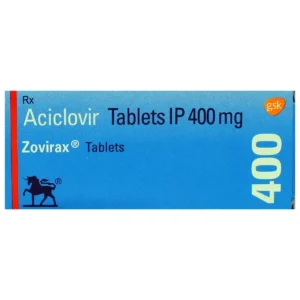
Zovirax 400 Mg (Acyclovir)
Active Ingredient Acyclovir Manufacturer GlaxoSmithKline Pharmaceuticals Ltd Packaging 5 tablets in 1 strip, 10 tablets in 1 strip Strength 200mg, 400mg, 800mg Delivery Time 6 To 15 days SKU: Zovirax 400mg (Acyclovir) Price range: $31.50 through $174.00Zovirax 400 Mg (Acyclovir)
Price range: $31.50 through $174.00 -
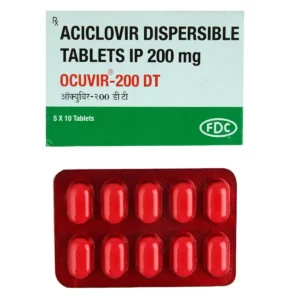
Ocuvir DT 200 Mg (Acyclovir)
Active Ingredient Acyclovir Manufacturer FDC Ltd Packaging 5 Tablets in Strip & 10 Tablets in Strip Strength 200mg, 400mg, 800mg Delivery Time 6 To 15 days SKU: Ocuvir DT 200 Mg (Acyclovir) Price range: $27.00 through $252.00Ocuvir DT 200 Mg (Acyclovir)
Price range: $27.00 through $252.00 -
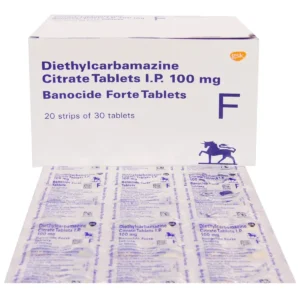
Banocide Forte 50 Mg (Diethylcarbamazine)
Active Ingredient Diethylcarbamazine Manufacturer GlaxoSmithKline Pharmaceuticals Ltd Packaging 20 tablets in 1 strip & 30 tablets in 1 strip Strength 50mg Delivery Time 6 To 15 days SKU: Banocide Forte 50 Mg (Diethylcarbamazine) Price range: $10.80 through $21.00Banocide Forte 50 Mg (Diethylcarbamazine)
Price range: $10.80 through $21.00 -
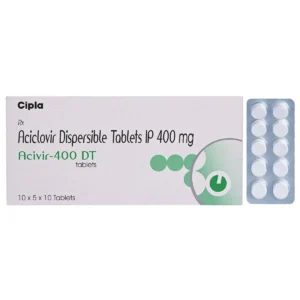
Acivir DT 400 Mg (Acyclovir)
Active Ingredient Acyclovir Manufacturer Cipla Limited Packaging 5 Tablets & 10 Tablets in Strips Strength 400mg, 800mg Delivery Time 6 To 15 days SKU: Acivir DT 400 Mg (Acyclovir) Price range: $52.20 through $255.00Acivir DT 400 Mg (Acyclovir)
Price range: $52.20 through $255.00 -
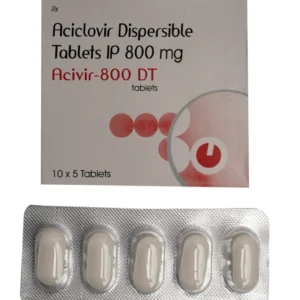
Aciclovir 800 Mg (Acyclovir)
Active Ingredient Acyclovir Manufacturer Healing Pharma, India Packaging 10 Tablets in Strip Strength 800mg Delivery Time 6 To 15 days SKU: Aciclovir 800 Mg (Acyclovir) Price range: $99.00 through $270.00Aciclovir 800 Mg (Acyclovir)
Price range: $99.00 through $270.00