The Best Filariasis Medications: Pharmacist-Approved Treatment Guide for 2026
Introduction:-
When microscopic worms invade your lymphatic system through mosquito bites, the resulting condition—filariasis—can cause devastating complications including severe swelling, disability, and social stigma. Filariasis treatment requires precise medical intervention with specialized antiparasitic medications that target these thread-like parasites at different stages of their life cycle. As a licensed pharmacist with over 15 years of experience in tropical medicine and infectious disease therapy, I’ve seen how timely and appropriate filariasis drugs can prevent permanent disability and restore patients’ quality of life. This comprehensive guide will navigate you through the world of lymphatic filariasis treatment, from understanding the parasitic infection to selecting the most effective antiparasitic therapy based on your specific diagnosis. We’ll cover the WHO-recommended treatment protocols, safety considerations, and crucial pharmacist advice for maximizing treatment success while minimizing adverse effects—all grounded in the latest clinical guidelines from the World Health Organization and Centers for Disease Control and Prevention.
Understanding Filariasis:-
Filariasis is a parasitic disease caused by thread-like roundworms (nematodes) transmitted through mosquito bites. While often overlooked in developed countries, this neglected tropical disease affects over 120 million people worldwide, according to the World Health Organization (WHO). Understanding the disease mechanism is crucial for appreciating how filariasis medications work to eliminate these parasites.
Types of Filariasis
- Lymphatic Filariasis: Caused by Wuchereria bancrofti (90% of cases), Brugia malayi, and Brugia timori. Affects the lymphatic system, potentially causing elephantiasis.
- Onchocerciasis (River Blindness): Caused by Onchocerca volvulus. Transmitted by blackflies and can lead to blindness.
- Loiasis: Caused by Loa loa (African eye worm). Transmitted by deer flies in Central and West Africa.
Disease Progression and Symptoms
The filariasis infection develops through several stages:
- Acute Phase (2-12 months): Fever, chills, skin infections, painful lymph nodes, and red streaking of the skin
- Chronic Phase (years to decades): Lymphedema, elephantiasis, hydrocele, and secondary bacterial infections
- Asymptomatic Phase: Many infected individuals show no symptoms but can still transmit the disease
Global Impact and Statistics:-
According to the WHO Global Programme to Eliminate Lymphatic Filariasis:
- Over 1.3 billion people live in areas where lymphatic filariasis is transmitted
- 120 million people are currently infected, with about 40 million disfigured and incapacitated by the disease
- 72 countries were considered endemic for lymphatic filariasis in 2000; by 2022, 17 countries had achieved elimination
The economic burden is substantial, with the WHO estimating that lymphatic filariasis is the second-leading cause of permanent and long-term disability worldwide.
WHO-Recommended Treatment Strategies-
- Individual Treatment: For symptomatic patients or those with confirmed infections
- Mass Drug Administration (MDA): Annual treatment of entire at-risk populations to interrupt transmission
- Vector Control: Reducing mosquito breeding sites and using protective measures
Key Treatment Combinations-
According to WHO guidelines, combination therapy is preferred for enhanced efficacy:
- DEC + Albendazole: Standard combination for lymphatic filariasis in areas without onchocerciasis
- Ivermectin + Albendazole: Preferred in areas co-endemic for onchocerciasis and lymphatic filariasis
- Ivermectin + Diethylcarbamazine + Albendazole (IDA): New triple-drug therapy showing superior efficacy
Safety, Side Effects & Interactions:-
Filariasis medications can cause significant adverse effects, particularly when microfilariae are killed rapidly, triggering inflammatory responses. Understanding and managing these reactions is crucial for treatment success.
Common Side Effects by Drug Class-
Diethylcarbamazine (DEC):
- Mild: Nausea, vomiting, headache, dizziness, weakness
- Moderate: Fever, chills, malaise (Mazzotti reaction from dying parasites)
- Severe: Allergic reactions, particularly dangerous in onchocerciasis areas
Ivermectin:
- Mild: Headache, dizziness, muscle pain, skin itching
- Moderate: Orthostatic hypotension, fever
- Severe: Encephalopathy (rare, mainly in patients with high Loa loa loads)
Albendazole:
- Mild: Abdominal pain, nausea, headache
- Moderate: Elevated liver enzymes, hair loss (with prolonged use)
- Rare but Serious: Bone marrow suppression, severe liver toxicity
Critical Drug Interactions and Contraindications-
| Medication | Interacting Drugs | Effect/Risk | Management |
|---|---|---|---|
| Albendazole | Warfarin, Phenytoin | Increased anticoagulant effect; altered anticonvulsant levels | Monitor INR closely; adjust doses as needed |
| Ivermectin | P-glycoprotein inhibitors (cyclosporine, verapamil) | Increased ivermectin levels and toxicity risk | Avoid combination or reduce the ivermectin dose |
| Doxycycline | Warfarin, Oral contraceptives | Enhanced anticoagulation; reduced contraceptive efficacy | Monitor INR; recommend backup contraception |
| DEC | No major interactions | May enhance reactions in patients with high microfilarial loads | Pre-treatment with corticosteroids in severe cases |
Special Population Considerations-
Pregnancy and Lactation:
- DEC: Pregnancy category B; generally considered safe
- Ivermectin: Pregnancy category C; use only if the benefit outweighs the risk
- Albendazole: Pregnancy category C; avoid in first trimester
- Doxycycline: Contraindicated in pregnancy and in children under 8 years
Pediatric Considerations: Dosing is typically weight-based, and some medications have age restrictions. The WHO recommends treating children over 2 years of age in endemic areas.
Managing Adverse Reactions-
- Pre-medication: Antihistamines and corticosteroids may reduce Mazzotti reactions
- Gradual Dose Escalation: Starting with lower doses and increasing gradually can minimize reactions
- Supportive Care: Adequate hydration, pain management, and monitoring vital signs
- Emergency Preparedness: Healthcare facilities should be prepared to manage severe allergic reactions
Critical Warning: Severe and potentially life-threatening reactions can occur, particularly in patients co-infected with Loa loa. Always ensure appropriate medical supervision during treatment initiation.
Conclusion:-
Effective filariasis treatment requires a comprehensive approach combining precise diagnosis, appropriate antiparasitic medication selection, careful monitoring for adverse effects, and long-term follow-up care. The WHO-recommended treatment protocols using combinations like DEC plus albendazole or the newer triple-drug therapy (IDA) have shown remarkable success in reducing disease burden and preventing transmission. As healthcare providers continue the global effort to eliminate filaria, pharmacists play a crucial role in ensuring safe, effective medication use and supporting patients throughout their treatment journey. Remember that lymphatic filariasis therapy and treatment for other filarial infections must always be supervised by healthcare professionals experienced in tropical medicine. If you suspect filariasis or have traveled to endemic areas and developed concerning symptoms, seek immediate medical evaluation for proper diagnosis and treatment planning.
Frequently Asked Questions (FAQs)?
Q: How long does filariasis treatment take to cure the infection?
A: Treatment duration varies by species and disease stage. Acute lymphatic filariasis typically requires 12 days of DEC, while chronic management may need repeated annual treatments. Complete elimination of adult worms can take several years with anti-Wolbachia therapy.
Q: Can children safely take filariasis medications?
A: Yes, most antiparasitic drugs for filariasis are safe in children over 2 years when dosed appropriately by weight. However, doxycycline should be avoided in children under 8 years due to tooth staining and bone development concerns.
Q: Are filariasis medications safe during pregnancy?
A: DEC is generally considered safe (pregnancy category B), while ivermectin and albendazole require careful risk-benefit assessment (category C). Doxycycline is contraindicated during pregnancy. Always consult your physician for personalized advice.
Q: What should I do if I experience severe side effects during treatment?
A: Discontinue the medication immediately and seek emergency medical care if you experience severe allergic reactions, difficulty breathing, severe neurological symptoms, or signs of liver toxicity. Contact your healthcare provider for any concerning symptoms.
Q: Can filariasis be prevented with medication?
A: There is no prophylactic medication for filariasis prevention. Prevention focuses on vector control (avoiding mosquito bites) and mass drug administration programs in endemic areas to reduce transmission.
Q: How effective are the newer triple-drug treatments?
A: WHO studies show that the Ivermectin-Diethylcarbamazine-Albendazole (IDA) combination is significantly more effective than traditional two-drug regimens, with up to 95% reduction in microfilaremia after a single treatment round.
Q: Do I need special monitoring during filariasis treatment?
A: Yes, particularly for patients with high parasite loads or those receiving doxycycline. Regular blood tests to monitor liver function and complete blood counts are recommended, along with clinical assessment for adverse reactions.
Medical Disclaimer:-
This content is for informational purposes only and is not a substitute for professional medical advice, diagnosis, or treatment. Always seek the advice of your physician or other qualified health provider with any questions you may have regarding a medical condition or medication. Never disregard professional medical advice or delay seeking it because of something you have read here.
-
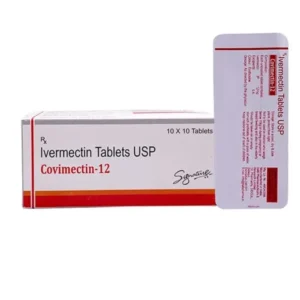
Covimectin 12 mg (Ivermectin)
Active Ingredient (Generic Name) Ivermectin Indication Scabies, Filariasis Manufacturer Signature Pharma Packaging 10 capsules in 1 strip Strength 12mg Delivery Time 10 To 15 days -
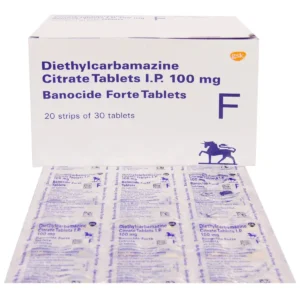
Banocide Forte 100 Mg (Diethylcarbamazine)
Active Ingredient Diethylcarbamazine Manufacturer GlaxoSmithKline Pharmaceuticals Ltd Packaging 20 tablets in 1 strip & 30 tablets in 1 strip Strength 100mg Delivery Time 6 To 15 days SKU: Banocide Forte 100 Mg (Diethylcarbamazine) Price range: $13.50 through $25.50Banocide Forte 100 Mg (Diethylcarbamazine)
Price range: $13.50 through $25.50 -
Banocide Forte 50 Mg (Diethylcarbamazine)
Active Ingredient Diethylcarbamazine Manufacturer GlaxoSmithKline Pharmaceuticals Ltd Packaging 20 tablets in 1 strip & 30 tablets in 1 strip Strength 50mg Delivery Time 6 To 15 days SKU: Banocide Forte 50 Mg (Diethylcarbamazine) Price range: $10.80 through $21.00Banocide Forte 50 Mg (Diethylcarbamazine)
Price range: $10.80 through $21.00