Genital Warts Treatment: Pharmacist-Approved Guide for 2026
Introduction:-
Discovering genital warts can be an emotionally challenging experience, but understanding your treatment options is the first step toward effective management. Antiviral medications and topical treatments offer proven solutions for managing this common sexually transmitted infection caused by the human papillomavirus (HPV). While genital warts themselves aren’t life-threatening, prompt and appropriate treatment can reduce symptoms, prevent transmission, and improve quality of life. As a licensed pharmacist with over 15 years of experience specializing in sexual health and infectious diseases, I’ve counseled thousands of patients through their treatment journey. The good news is that multiple genital warts medications are available, from prescription topical antiviral treatments to immune-boosting therapies that help your body fight the underlying viral infection. This comprehensive guide will walk you through evidence-based treatment options, help you understand the differences between prescription wart removal treatments and HPV antiviral therapy, and provide practical advice for managing this condition with confidence and discretion. Remember, genital warts are highly treatable, and with the right approach, most patients achieve excellent outcomes.
Understanding Genital Warts and HPV:-
Genital warts are soft, flesh-colored growths caused by certain strains of the human papillomavirus (HPV), primarily types 6 and 11. According to the Centers for Disease Control and Prevention (CDC), HPV is the most common sexually transmitted infection in the United States, with approximately 43 million Americans currently infected.
How HPV Causes Genital Warts?
HPV infects the skin and mucous membranes through microscopic breaks in the tissue. Once the virus enters cells, it hijacks their normal function, causing them to grow abnormally and form the characteristic cauliflower-like bumps we recognize as warts. Unlike high-risk HPV types (16 and 18) that can cause cervical cancer, the low-risk types 6 and 11 that cause genital warts rarely lead to cancer.
Symptoms and Appearance
Genital warts can appear as:
- Small, flesh-colored or gray bumps
- Cauliflower-like clusters
- Flat or raised lesions
- Single warts or multiple growths
They may cause itching, discomfort, or bleeding, though many people experience no symptoms. Warts can appear weeks to months after exposure, and some people may carry the virus without ever developing visible warts.
Transmission and Risk Factors
The World Health Organization (WHO) reports that HPV is transmitted through direct skin-to-skin contact during sexual activity. Key risk factors include:
- Multiple sexual partners
- Early age of first sexual activity
- Weakened immune system
- History of other sexually transmitted infections
Important Note: Condoms reduce but don’t eliminate transmission risk since HPV can infect areas not covered by condoms.
Safety, Side Effects & Interactions:-
Understanding potential risks ensures safe and effective genital warts treatment. While most therapies are well-tolerated, side effects vary by medication type.
Common Side Effects by Treatment Category-
Topical Immunomodulators (Imiquimod)
- **Local reactions:** Redness, swelling, itching at application site (very common)
- **Systemic effects:** Flu-like symptoms, fatigue, muscle aches (10-15% of patients)
- **Hyperpigmentation:** Darkening of treated skin, usually temporary
- **Erosion/ulceration:** Excessive immune response can damage healthy skin
Cytotoxic Agents (Podofilox, TCA)
- **Immediate burning/pain:** Expected with application, usually subsides
- **Tissue necrosis:** Dead tissue formation at the treatment site
- **Scarring risk:** Higher with aggressive treatment or improper application
- **Healthy tissue damage:** Can occur if applied to unaffected areas
Physical Removal Methods
- **Acute pain:** During and immediately after treatment
- **Bleeding:** Minor bleeding is normal with surgical methods
- **Infection risk:** Proper wound care is essential
- **Scarring:** Permanent changes are possible with any ablative method
Drug Interactions and Contraindications
Pregnancy and Breastfeeding Considerations
| Treatment | Pregnancy Safety | Breastfeeding | Notes |
|---|---|---|---|
| Imiquimod | Category B (Probably safe) | Unknown | Limited systemic absorption |
| Podofilox | Category C (Caution) | Unknown | Avoid during pregnancy |
| Sinecatechins | Category C (Caution) | Unknown | Limited safety data |
| TCA/Cryotherapy | Safe (topical) | Safe | Physical treatments preferred |
⚠️ Important: Pregnant women should work with their obstetrician to choose the safest treatment option.
Immune System Interactions
- **Immunosuppressed patients:** May have reduced response to imiquimod but increased side effects
- **Autoimmune conditions:** Imiquimod may trigger flares of autoimmune diseases
- **Recent vaccinations:** Live vaccines should be avoided during imiquimod treatment
When to Contact Your Healthcare Provider Immediately?
- Signs of severe infection (fever, spreading redness, pus)
- Excessive pain or burning that interferes with daily activities
- Allergic reactions (widespread rash, difficulty breathing)
- New or changing lesions that don’t look like typical warts
- No improvement after 4-6 weeks of consistent treatment
Conclusion:-
Successfully managing genital warts requires the right combination of effective antiviral treatment, patient education, and professional guidance. While an HPV infection cannot be completely eliminated from the body, the visible warts can be effectively treated with various prescription wart removal treatments and topical antiviral therapies. The key to success lies in choosing the right treatment for your specific situation, whether that’s a patient-applied option like imiquimod for discrete self-treatment, or provider-administered procedures like cryotherapy for immediate results. Remember that genital warts medications work best when used consistently and with proper technique. Most patients achieve complete clearance within 3-6 months of starting treatment, and recurrence rates are lowest with immune-enhancing therapies. Don’t let embarrassment prevent you from seeking the care you deserve—genital warts are a medical condition like any other, and your healthcare providers and pharmacists are here to support you through evidence-based treatment. Visit our pharmacy for personalized consultation about HPV antiviral therapy options, and remember that early treatment typically leads to better outcomes and reduced transmission risk.
Frequently Asked Questions (FAQs)?
Q: Can genital warts be cured permanently?
A: While visible warts can be successfully removed, the underlying HPV infection may remain dormant in the body. However, many people never experience recurrence after successful treatment, and the immune system often suppresses the virus over time.
Q: Are over-the-counter wart treatments safe for genital warts?
A: No. OTC treatments designed for common skin warts (like salicylic acid) are too harsh for sensitive genital tissue and can cause severe chemical burns. Only use treatments specifically prescribed for genital warts.
Q: How long does treatment typically take to work?
A: Patient-applied treatments like imiquimod may take 8-16 weeks for complete clearance. Provider-applied treatments like cryotherapy may require 3-6 sessions spaced 1-2 weeks apart. Results vary based on wart size, number, and individual immune response.
Q: Can I have sexual contact during treatment?
A: This should be discussed with your healthcare provider. Generally, sexual contact should be avoided during active treatment to prevent transmission and allow healing. When resuming sexual activity, use barrier protection and inform partners about HPV status.
Q: Will insurance cover genital wart treatment?
A: Most health insurance plans cover medically necessary treatments for genital warts. Coverage varies by specific medication and procedure. Check with your insurance provider and pharmacy about copay assistance programs.
Q: What happens if the first treatment doesn’t work?
A: Treatment failure is common and doesn’t indicate a serious problem. Your provider may recommend switching to a different medication, combining treatments, or trying provider-applied procedures. Some patients require multiple treatment approaches to achieve clearance.
Q: Can genital warts spread to other parts of my body?
A: While possible, self-inoculation (spreading to other body parts) is uncommon with proper hygiene. Avoid touching warts and wash your hands thoroughly. The virus typically stays localized to the initial infection site.
Medical Disclaimer:-
This content is for informational purposes only and is not a substitute for professional medical advice, diagnosis, or treatment. Always seek the advice of your physician or other qualified health provider with any questions you may have regarding a medical condition or medication. Never disregard professional medical advice or delay seeking it because of something you have read here.
-
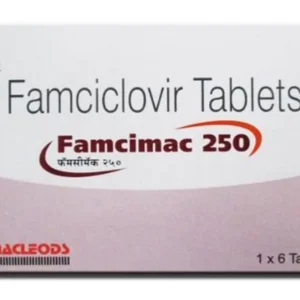
Famcimac 250 Mg (Famciclovir)
Active Ingredient Famciclovir Manufacturer Macleods Pharmaceuticals Pvt Ltd Packaging 6 tablets in 1 strip, 3 tablets in 1 strip Strength 250mg, 500mg Delivery Time 6 To 15 days SKU: Famcimac 250 Mg (Famciclovir) Price range: $110.70 through $654.00Famcimac 250 Mg (Famciclovir)
Price range: $110.70 through $654.00