Antiviral Medications for Herpes: Pharmacist-Approved Guide for 2026
Introduction:-
When you notice that first telltale tingling sensation on your lip or experience uncomfortable symptoms elsewhere, the immediate concern becomes: “What can I do to stop this outbreak quickly?” Antiviral medications for herpes represent a breakthrough in managing this common viral condition that affects millions worldwide. Unlike general pain relievers that only mask symptoms, herpes antiviral drugs specifically target the virus’s ability to replicate, offering both treatment for active outbreaks and prevention of future episodes.
As a licensed pharmacist with over 15 years of experience in both clinical and community pharmacy settings, I’ve counseled thousands of patients on herpes antiviral treatment options. The good news is that today’s medications are highly effective, well-tolerated, and can dramatically improve the quality of life for those living with herpes simplex virus (HSV). This comprehensive guide will walk you through the most effective antiviral therapy for herpes, from prescription medications like valacyclovir and acyclovir to over-the-counter options, helping you understand which treatment approach best fits your specific situation and lifestyle needs.
Understanding Herpes Simplex Virus:-
Herpes simplex virus (HSV) is one of the most common viral infections worldwide, caused by two related viruses: HSV-1 and HSV-2. Understanding these infections is crucial for selecting appropriate antiviral treatment.
Types of Herpes Simplex Virus
HSV-1 (Oral Herpes): Traditionally associated with cold sores or fever blisters around the mouth and lips. According to the World Health Organization (WHO), an estimated 3.7 billion people under age 50 have HSV-1 infection globally—that’s 67% of the population.
HSV-2 (Genital Herpes): Primarily causes genital herpes, though HSV-1 can also cause genital infections through oral contact. The WHO estimates that 491 million people aged 15-49 worldwide have HSV-2 infection.
How Herpes Affects Your Body?
Once infected, the virus establishes lifelong residency in nerve cells. During inactive periods, the virus remains dormant in nerve ganglia. Triggers like stress, illness, sun exposure, or hormonal changes can reactivate the virus, causing it to travel down nerve pathways to the skin surface, resulting in characteristic symptoms.
Typical Symptoms and Outbreak Patterns
Initial Outbreak Symptoms:
- Painful blisters or sores
- Tingling, burning, or itching sensations before blisters appear
- Flu-like symptoms (fever, headache, muscle aches)
- Swollen lymph nodes
Recurrent Outbreaks:
- Usually milder and shorter than initial episodes
- Prodromal symptoms (tingling, burning) often precede visible lesions
- Typically last 7-10 days without treatment
- Frequency varies greatly between individuals
Clinical studies published in the New England Journal of Medicine show that recurrent episodes become less frequent and severe over time, with most people experiencing fewer than two outbreaks per year after the first year.
How These Antiviral Medications Work?
Mechanism of Action: All prescription herpes antiviral drugs work by mimicking building blocks that viruses need to replicate their DNA. Once inside infected cells, they are activated by viral enzymes and then interfere with viral DNA synthesis, effectively stopping the virus from multiplying.
Why Timing Matters: Antiviral treatment is most effective when started within 72 hours of symptom onset, ideally within the first 24 hours. This is because the medications work best when viral replication is most active during the early stages of an outbreak.
How to Choose the Right Herpes Antiviral?
Selecting the optimal antiviral therapy for herpes depends on several factors, including outbreak frequency, severity, patient preferences, and medical history.
Treatment Approach Decision Tree-
| Outbreak Pattern | Recommended Strategy | Best Medication Options | Rationale |
|---|---|---|---|
| Infrequent outbreaks (<6 per year) | Episodic Treatment | Valacyclovir 500mg-1g BID x 3-5 days | Cost-effective, treats outbreaks as they occur |
| Frequent outbreaks (≥6 per year) | Suppressive Therapy | Valacyclovir 500mg-1g daily | Reduces outbreak frequency by 70-80% |
| Severe initial outbreak | Extended Episodic | Valacyclovir 1g BID x 7-10 days | Longer treatment for severe symptoms |
| Cold sores only | Episodic + Topical | Valacyclovir + Docosanol (OTC) | Systemic + local treatment |
| Immunocompromised | Suppressive + Monitoring | Higher doses, longer duration | Requires specialist consultation |
Pharmacist Recommendations by Situation
For Busy Professionals:
- **Valacyclovir (Valtrex®)**: Less frequent dosing (1-2x daily vs 5x with acyclovir)
- Keep a 3-day supply on hand for immediate treatment
- Consider suppressive therapy if outbreaks interfere with work
For Budget-Conscious Patients:
- **Generic Acyclovir**: Equally effective, significantly less expensive
- **Docosanol (Abreva®)**: OTC option for mild cold sores
- Ask about pharmacy discount programs and manufacturer coupons
For Patients with Frequent Outbreaks:
- **Daily suppressive therapy** with valacyclovir or acyclovir
- Studies show 73% reduction in symptomatic outbreaks with valacyclovir 500mg daily
- Also reduces asymptomatic viral shedding by approximately 75%
For First-Time Users:
- Start with **valacyclovir** for convenience and tolerability
- Monitor for side effects during the first few days
- Keep a detailed outbreak diary to track effectiveness
Safety, Side Effects & Drug Interactions:-
While herpes antiviral medications are generally well-tolerated, understanding their safety profile ensures optimal outcomes and minimizes risks.
Common Side Effects by Medication
Valacyclovir (Valtrex®):
- Headache (13-35% of patients)
- Nausea (8-15%)
- Abdominal pain (1-11%)
- Dizziness (2-4%)
Acyclovir (Zovirax®):
- Nausea and vomiting (2-5%)
- Diarrhea (2-3%)
- Headache (2%)
- Malaise (12% in elderly patients)
Serious but Rare Adverse Effects
Thrombotic Thrombocytopenic Purpura (TTP): Extremely rare blood disorder reported with high-dose valacyclovir (8g/day) in immunocompromised patients. Standard doses carry minimal risk.
Acute Kidney Injury: Can occur with high IV doses of acyclovir or in patients with pre-existing kidney disease. Adequate hydration is essential.
Neurological Effects: Confusion, hallucinations, or seizures, typically in elderly patients or those with kidney impairment receiving high doses.
Important Drug Interactions
| Antiviral | Interacting Medications | Effect | Management |
|---|---|---|---|
| Valacyclovir/Acyclovir | Probenecid | Increased antiviral levels | Monitor for side effects; may require dose adjustment |
| All antivirals | Nephrotoxic drugs (NSAIDs, aminoglycosides) | Increased kidney injury risk | Ensure adequate hydration; monitor kidney function |
| Famciclovir | Digoxin | Potential digoxin level increase | Monitor digoxin levels closely |
Special Populations:-
Pregnancy and Breastfeeding: Per FDA Pregnancy Category B, acyclovir and valacyclovir are generally considered safe. The American College of Obstetricians and Gynecologists recommends antiviral therapy for pregnant women with active genital herpes to reduce transmission risk to newborns.
Kidney Disease: Dosage adjustments required for all oral herpes antivirals. Patients with creatinine clearance <50 mL/min need dose reductions and extended dosing intervals.
Elderly Patients: More susceptible to neurological side effects. Start with lower doses and ensure adequate hydration.
Conclusion:-
Effective management of herpes simplex virus is entirely achievable with today’s advanced antiviral medications. Whether you’re dealing with occasional cold sores or more frequent genital herpes outbreaks, the key to success lies in understanding your options, timing your treatment correctly, and working closely with healthcare professionals to develop a personalized management strategy.
Herpes antiviral drugs like valacyclovir, acyclovir, and famciclovir have transformed the outlook for millions of people living with HSV. These medications not only provide rapid relief during outbreaks but can also significantly reduce transmission risk and improve overall quality of life through suppressive therapy. Remember that antiviral treatment works best when initiated early, so having a management plan in place before you need it is crucial.
The most important takeaway is that herpes is a manageable condition, not a life sentence. With the right herpes antiviral medication approach, most people can minimize the impact of HSV on their daily lives. Don’t hesitate to discuss your symptoms and treatment goals with your pharmacist or healthcare provider—we’re here to help you find the most effective, convenient, and affordable solution for your specific needs.
Frequently Asked Questions (FAQs)?
Q: Can antiviral medications cure herpes?
A: No, current herpes antiviral drugs cannot cure HSV infections. The virus remains dormant in nerve cells for life. However, these medications effectively control symptoms, reduce outbreak frequency, and decrease transmission risk when used properly.
Q: How quickly do herpes antivirals start working?
A: Most patients notice symptom improvement within 24-48 hours of starting treatment. Antiviral therapy begins inhibiting viral replication immediately, but visible healing typically takes 3-7 days depending on outbreak severity and timing of treatment initiation.
Q: Is it safe to take herpes antivirals long-term?
A: Yes, studies spanning over 15 years show that daily suppressive therapy with acyclovir and valacyclovir is safe for long-term use. Regular monitoring may be recommended for patients with kidney problems or other health conditions.
Q: Can I take herpes antivirals with other medications?
A: Most herpes antiviral medications have few significant drug interactions. However, always inform your pharmacist about all medications, supplements, and health conditions. Some interactions may require dose adjustments or additional monitoring.
Q: Are there over-the-counter alternatives to prescription antivirals?
A: The only FDA-approved OTC antiviral for herpes is docosanol (Abreva®) for cold sores. While some people find it helpful, prescription medications are significantly more effective for most patients, especially for genital herpes or frequent outbreaks.
Q: Will antivirals prevent me from spreading herpes to my partner?
A: Daily suppressive antiviral therapy reduces transmission risk by approximately 50% but does not eliminate it. Combining medication with other preventive measures (condoms, avoiding contact during outbreaks) provides the best protection.
Q: What should I do if I miss a dose of my herpes antiviral?
A: Take the missed dose as soon as you remember, unless it’s nearly time for your next dose. Don’t double up on doses. For episodic treatment, maintaining consistent blood levels is important for optimal effectiveness.
⚠️ Medical Disclaimer:-
This information is for educational purposes only and is not a substitute for professional medical advice, diagnosis, or treatment. Always consult your healthcare provider regarding your specific medical condition and treatment options.
-
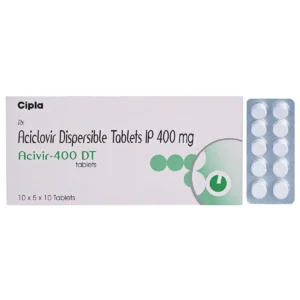
Aciclovir 400 Mg (Acyclovir)
Active Ingredient Acyclovir Manufacturer Healing Pharma, India Packaging 10 Tablets in Strip Strength 400mg Delivery Time 6 To 15 days SKU: Aciclovir 400 Mg (Acyclovir) Price range: $34.00 through $90.00Aciclovir 400 Mg (Acyclovir)
Price range: $34.00 through $90.00 -
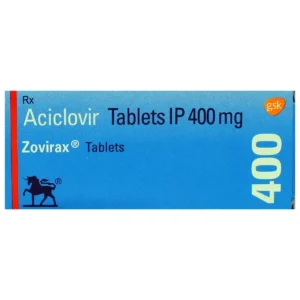
Zovirax 400 Mg (Acyclovir)
Active Ingredient Acyclovir Manufacturer GlaxoSmithKline Pharmaceuticals Ltd Packaging 5 tablets in 1 strip, 10 tablets in 1 strip Strength 200mg, 400mg, 800mg Delivery Time 6 To 15 days SKU: Zovirax 400mg (Acyclovir) Price range: $31.50 through $174.00Zovirax 400 Mg (Acyclovir)
Price range: $31.50 through $174.00 -
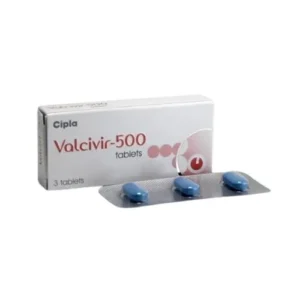
Valcivir 500 Mg
Active Ingredient Valacyclovir Manufacturer Cipla Limited Packaging 3 Tablets in Strip Strength 500mg, 1000mg Delivery Time 6 To 15 days SKU: Valcivir 500 Mg Price range: $105.00 through $450.00Valcivir 500 Mg
Price range: $105.00 through $450.00 -
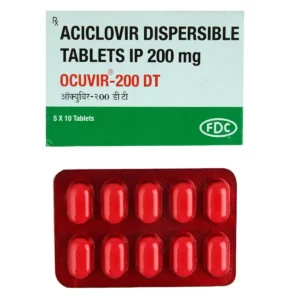
Ocuvir DT 200 Mg (Acyclovir)
Active Ingredient Acyclovir Manufacturer FDC Ltd Packaging 5 Tablets in Strip & 10 Tablets in Strip Strength 200mg, 400mg, 800mg Delivery Time 6 To 15 days SKU: Ocuvir DT 200 Mg (Acyclovir) Price range: $27.00 through $252.00Ocuvir DT 200 Mg (Acyclovir)
Price range: $27.00 through $252.00 -
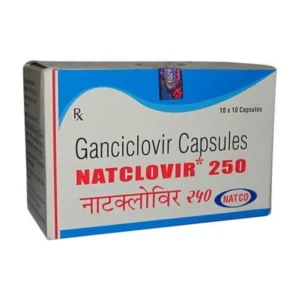
Natclovir 250 Mg (Ganciclovir)
Active Ingredient Ganciclovir Manufacturer Natco Pharma Ltd. Packaging 10 capsules in 1 strip Strength 250mg Delivery Time 6 To 15 days SKU: Natclovir 250 Mg (Ganciclovir) Price range: $148.50 through $427.50Natclovir 250 Mg (Ganciclovir)
Price range: $148.50 through $427.50 -
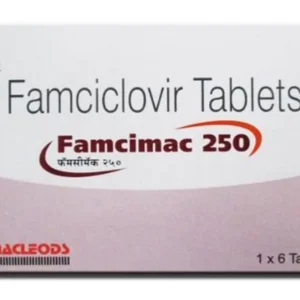
Famcimac 250 Mg (Famciclovir)
Active Ingredient Famciclovir Manufacturer Macleods Pharmaceuticals Pvt Ltd Packaging 6 tablets in 1 strip, 3 tablets in 1 strip Strength 250mg, 500mg Delivery Time 6 To 15 days SKU: Famcimac 250 Mg (Famciclovir) Price range: $110.70 through $654.00Famcimac 250 Mg (Famciclovir)
Price range: $110.70 through $654.00 -
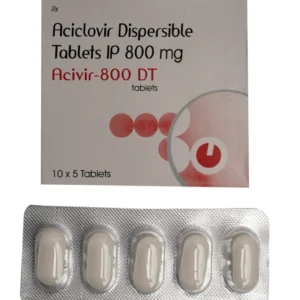
Aciclovir 800 Mg (Acyclovir)
Active Ingredient Acyclovir Manufacturer Healing Pharma, India Packaging 10 Tablets in Strip Strength 800mg Delivery Time 6 To 15 days SKU: Aciclovir 800 Mg (Acyclovir) Price range: $99.00 through $270.00Aciclovir 800 Mg (Acyclovir)
Price range: $99.00 through $270.00