Ivermectin: Medical Uses, Dosing & Safety Information
A fact-based reference for patients, caregivers, and healthcare providers — covering FDA-approved indications, mechanism of action, dosing guidelines, and important safety warnings.
Prescription required (human use): Ivermectin for human use is a prescription-only medication in most countries, including the United States. Always consult a licensed healthcare provider before use. Do not use veterinary formulations on humans.
What is Ivermectin?
Ivermectin is an antiparasitic drug belonging to the avermectin class. It was first discovered in the late 1970s from a soil bacterium (Streptomyces avermitilis) and has been used in medicine since the 1980s. Its discoverers, William Campbell and Satoshi Ōmura, were awarded the Nobel Prize in Physiology or Medicine in 2015 for its development.
Ivermectin works by binding selectively to glutamate-gated chloride ion channels in invertebrate nerve and muscle cells, causing paralysis and death of parasites. Because these channels are specific to invertebrates, the drug has a favorable safety profile in humans when used at approved doses.
It is available in two broad contexts: Prescription (human) Veterinary OTC, Not interchangeable
FDA-Approved Uses in Humans:-
Approved indications
Onchocerciasis — river blindness caused by Onchocerca volvulus (oral tablet)
Strongyloidiasis — intestinal infection by Strongyloides stercoralis (oral tablet)
Head lice — topical lotion 0.5% (Sklice) for patients 6 months and older
Rosacea — topical cream 1% (Soolantra) for inflammatory lesions
Not approved / not recommended for
COVID-19 treatment or prevention — FDA, WHO, and NIH do not recommend use; clinical trials showed no benefit
Veterinary formulations in humans — concentration, excipients, and dosing differ; serious harm has occurred
Self-diagnosed parasitic infections — requires a confirmed diagnosis by a clinician
Drug Information & Specifications:-
| Drug class | Macrocyclic lactone antiparasitic |
| Generic name | Ivermectin |
| Common brand names (human) | Stromectol (oral); Sklice (topical lotion); Soolantra (topical cream) |
| Available forms | 3 mg oral tablet; 0.5% topical lotion; 1% topical cream |
| Mechanism of action | Binds to glutamate-gated Cl⁻ channels and GABA-gated Cl⁻ channels in parasite nerve/muscle tissue → paralysis → death |
| Half-life | ~18 hours (range 12–56 hrs); active metabolites persist longer |
| Metabolism | Primarily hepatic (CYP3A4); excreted in feces |
| Pregnancy category | Category C — insufficient human data; use only if clearly needed |
| Regulatory status (US) | FDA-approved prescription drug for labeled indications |
Dosing Guidelines (Approved Indications Only)
Dosing must be determined by a licensed healthcare provider based on body weight, indication, and patient-specific factors. The information below is a general reference only.
| Strongyloidiasis (oral) | Single dose of ~200 mcg/kg body weight; taken on an empty stomach with water |
| Onchocerciasis (oral) | Single dose of ~150 mcg/kg; may be repeated every 6–12 months |
| Head lice (topical lotion) | Apply to dry hair and scalp; leave on 10 minutes; rinse — single treatment |
| Rosacea (topical cream) | Apply a pea-sized amount once daily to the affected facial areas |
| Minimum weight (oral) | 15 kg (33 lbs) — safety not established below this weight |
How to Take Oral Ivermectin?
Safety, Side Effects & Drug Interactions:-
Common side effects-
Dizziness or lightheadedness
Nausea, vomiting, diarrhea
Pruritus (itching), rash
Mazzotti reaction (in onchocerciasis patients — fever, rash, lymph node swelling)
Serious risks/contraindications-
Neurotoxicity at overdose — confusion, ataxia, coma reported, especially in children and with drug interactions
P-glycoprotein inhibitors (e.g., certain HIV drugs) increase ivermectin plasma levels significantly
Warfarin interaction — may increase INR; monitor closely
Avoid in patients with Loa loa co-infection (risk of encephalopathy)
Ivermectin & COVID-19: What the Evidence Shows?
Not recommended for COVID-19. Multiple large, rigorous randomized controlled trials — including the NIH-funded ACTIV-6 trial and the WHO-sponsored TOGETHER trial — found that ivermectin did not reduce hospitalization, severity, or duration of COVID-19 compared to placebo. The FDA, WHO, NIH, and CDC all advise against its use for this purpose.
Early in vitro (lab) studies suggested ivermectin could inhibit SARS-CoV-2 replication. However, the concentrations required were far higher than what is safely achievable in human tissue at approved doses — making those results not clinically meaningful. Subsequent clinical trials consistently found no benefit.
Using unregulated or veterinary ivermectin products for COVID-19 has led to documented poisonings reported to Poison Control Centers across the United States.
Read More Article:- Anti-Worm: Complete Guide to Deworming Treatments.
Frequently Asked Questions?
Can I buy ivermectin without a prescription?
In the United States, oral ivermectin for human use requires a valid prescription from a licensed healthcare provider. Veterinary ivermectin (e.g., paste for horses, livestock injectables) is available OTC but must never be used by humans — concentrations and formulations differ substantially, and serious harm can result.
Is ivermectin safe for children?
Oral ivermectin is generally not recommended for children weighing less than 15 kg (33 lbs) due to limited safety data. For approved indications in older children, dosing is weight-based and should be determined by a pediatrician.
Can pregnant or breastfeeding women use ivermectin?
Ivermectin is classified as Pregnancy Category C — animal studies have shown adverse fetal effects at high doses and adequate human studies are lacking. It is generally avoided during pregnancy unless the benefit clearly outweighs the risk. Ivermectin is excreted in breast milk in small amounts; discuss risks with your provider.
What happens if I take too much ivermectin?
Overdose can cause serious neurological effects, including confusion, hallucinations, loss of coordination, low blood pressure, seizures, and coma. If overdose is suspected, call Poison Control (1-800-222-1222 in the US) or seek emergency care immediately.
Does ivermectin interact with other medications?
Yes. Notable interactions include warfarin (increased bleeding risk), P-glycoprotein inhibitors such as certain antiretrovirals (increased ivermectin levels), and benzodiazepines or barbiturates (enhanced CNS depression). Always inform your prescriber of all medications and supplements you are taking.
Is topical ivermectin the same as the oral form?
No. Topical formulations (Sklice lotion for lice, Soolantra cream for rosacea) are designed for skin application and have minimal systemic absorption. They are not interchangeable with oral tablets, and each product is only indicated for its specific labeled use.
Medical disclaimer:-
This page is provided for general informational purposes only and does not constitute medical advice. It is not a substitute for professional medical consultation, diagnosis, or treatment. Always seek the guidance of a qualified healthcare provider with any questions you may have regarding a medical condition or medication. Never disregard professional medical advice or delay seeking it because of information read here.
-
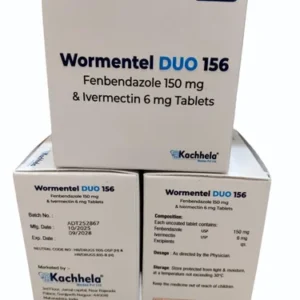
Wormentel Duo 156mg (Fenbendazole/Ivermectin)
Active Ingredient: Fenbendazole/Ivermectin Indication: Parasitic infections, Anti-Worm Manufacturer: Kachhela Medex Pvt. Ltd. Packaging: 10 tablets in 1 strip Strength: 156mg Delivery Time: 12 to 17 days Price range: $85.00 through $210.00Wormentel Duo 156mg (Fenbendazole/Ivermectin)
Price range: $85.00 through $210.00 -
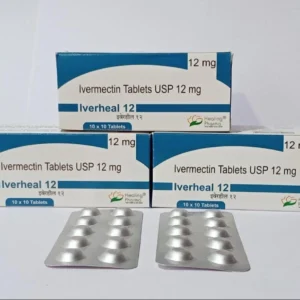
Iverheal (Ivermectin)
Active Ingredient Ivermectin Manufacturer Healing Pharma India Pvt. Ltd Packaging 10 tablets in 1 strip Strength 6mg, 12mg Delivery Time 15 to 17 days Price range: $40.00 through $250.00Iverheal (Ivermectin)
Price range: $40.00 through $250.00 -
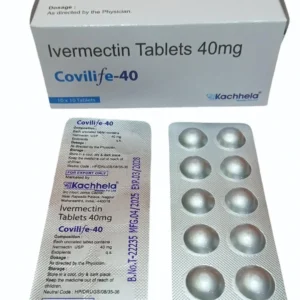
Covilife (Ivermectin)
Active-Ingredient Ivermectin Manufacturers Kachhela Medex Private Limited Packaging 10 Tablets in a strip Strength 24mg, 40mg Delivery-Time 15 to 17 days Price range: $200.00 through $720.00Covilife (Ivermectin)
Price range: $200.00 through $720.00 -
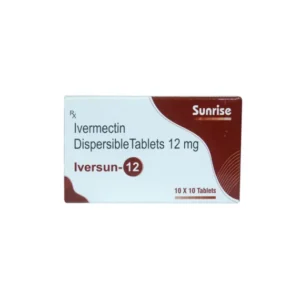
Iversun 12Mg (Ivermectin)
Active Ingredient (Generic Name) Ivermectin Indication Scabies, Filariasis Manufacturer Sunrise Remedies Pvt Ltd Packaging 10 Tablets in 1 Strip Strength 12MG Delivery Time 15 to 17 days Price range: $260.00 through $700.00Iversun 12Mg (Ivermectin)
Price range: $260.00 through $700.00 -
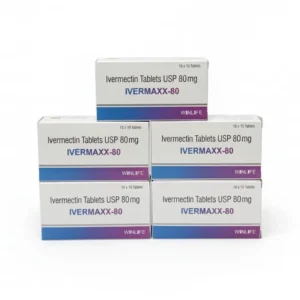
Ivermaxx 80mg (Ivermectin)
Active Ingredient: Ivermectin Indication: Parasitic infections, Anti-Worm Manufacturer: Winlife Pharma Packaging: 10 tablets in 1 strip Strength: 80mg Delivery Time: 15 to 17 days Price range: $340.00 through $850.00Ivermaxx 80mg (Ivermectin)
Price range: $340.00 through $850.00 -
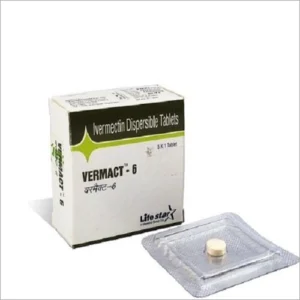
Vermact 6 mg (Ivermectin)
Active Ingredient: Ivermectin Indication: Scabies, Filariasis Manufacturer: Mankind Pharma Packaging: 1 Tablet in 1 strip Strength: 6mg Delivery Time: 10 to 15 days Price range: $30.00 through $120.00Vermact 6 mg (Ivermectin)
Price range: $30.00 through $120.00 -
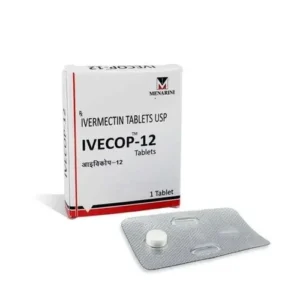
Ivecop 12 mg (Ivermectin)
Equivalent Brand Stromectol Generic Name Ivermectin Indication Filariasis Strength Ivermectin (12mg) Manufacturer Menarini India Pvt Ltd Packaging 1 tablet in 1 strip Pharmaceutical Form Tablets Price range: $98.00 through $265.00Ivecop 12 mg (Ivermectin)
Price range: $98.00 through $265.00 -
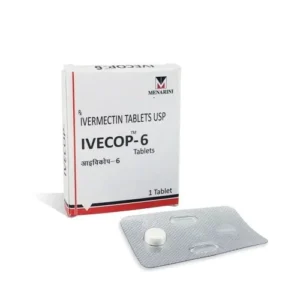
Ivecop 6 mg (Ivermectin)
Equivalent Brand Stromectol Generic Name Ivermectin Indication Filariasis Strength Ivermectin (6mg) Manufacturer Menarini India Pvt Ltd Packaging 1 tablet in 1 strip Pharmaceutical Form Tablets Price range: $46.00 through $192.00Ivecop 6 mg (Ivermectin)
Price range: $46.00 through $192.00 -
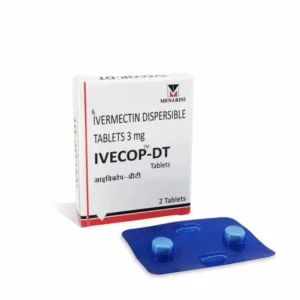
Ivecop DT 3 mg (Ivermectin)
Equivalent Brand Stromectol Generic Name Ivermectin Indication Filariasis Strength Ivermectin (3mg) Manufacturer Menarini India Pvt Ltd Packaging 2 tablets in 1 strip Pharmaceutical Form Tablets Price range: $20.00 through $52.00Ivecop DT 3 mg (Ivermectin)
Price range: $20.00 through $52.00 -
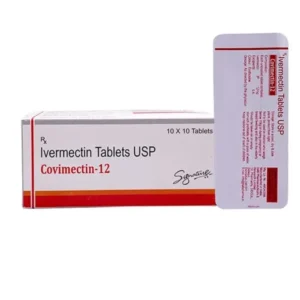
Covimectin 12 mg (Ivermectin)
Active Ingredient (Generic Name) Ivermectin Indication Scabies, Filariasis Manufacturer Signature Pharma Packaging 10 capsules in 1 strip Strength 12mg Delivery Time 10 To 15 days -
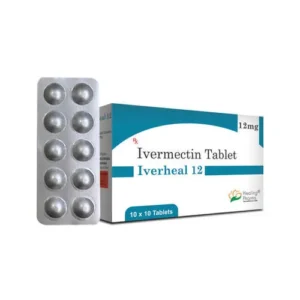
IVERMECTIN
Generic Name: Ivermectin Manufacturer: Menarini India Pvt Ltd Packaging: 1 Tablet in 1 strip Strength: 6mg/12mg Delivery Time: 6 To 15 days SKU: Ivermectin Price range: $16.00 through $99.00IVERMECTIN
Price range: $16.00 through $99.00