
Complete Viral Care Solutions: Pharmacist-Approved Guide for 2026
Introduction
When viral infections strike—whether it’s a sudden cold, persistent flu, or that uncomfortable stomach bug—the overwhelming question becomes: “What can I do to feel better faster?” Viral care represents a comprehensive approach to managing viral illnesses that goes beyond just waiting it out. Unlike bacterial infections that respond to antibiotics, viral conditions require targeted supportive treatments, symptom management strategies, and evidence-based remedies that help your immune system fight effectively while minimizing discomfort.
As a licensed pharmacist with over 15 years of clinical experience in community pharmacy and infectious disease management, I’ve guided thousands of patients through viral illness recovery. The key to effective viral infection treatment lies in understanding that while we cannot cure most viral infections, we can significantly improve symptoms, reduce duration, and prevent complications through proper pharmaceutical care and lifestyle interventions.
This comprehensive guide will walk you through the most effective antiviral medications, over-the-counter remedies, immune support strategies, and pharmacist-recommended approaches to viral care. Whether you’re dealing with respiratory viruses, gastrointestinal infections, or seeking preventive measures, this evidence-based resource will help you make info rmed decisions about your viral care management plan.
Understanding Viral Infections & Their Impact:-
Viral infections are among the most common health challenges affecting adults and children worldwide. Understanding how viruses work and affect your body is crucial for selecting appropriate viral care treatments.
What Are Viral Infections?
Viruses are microscopic infectious agents that require host cells to reproduce. Unlike bacteria, viruses cannot survive independently and must hijack your body’s cellular machinery to replicate. According to the Centers for Disease Control and Prevention (CDC), adults experience an average of 2-3 viral respiratory infections annually, while children may have 6-10 episodes per year.
Most Common Viral Infections Requiring Care-
Upper Respiratory Infections (Common Cold): Caused by over 200 different viruses, primarily rhinoviruses (30-50% of cases) and coronaviruses (10-15%). The National Institute of Health estimates Americans experience over 1 billion colds annually, resulting in 40 million missed work days.
Influenza (Seasonal Flu): Affects 5-20% of the U.S. population annually, according to the CDC. Influenza A and B strains cause the majority of seasonal epidemics, with symptoms typically lasting 3-7 days in healthy adults.
Norovirus (Stomach Flu): Responsible for 58% of foodborne illnesses in the United States, causing approximately 21 million cases of acute gastroenteritis annually. Symptoms typically resolve within 1-3 days but can lead to significant dehydration.
Herpes Simplex Virus (HSV): The WHO estimates that 3.7 billion people under age 50 have HSV-1 infection globally. Effective antiviral care can dramatically reduce outbreak frequency and transmission risk.
Human Papillomavirus (HPV): The most common sexually transmitted infection, with the CDC reporting that nearly all sexually active individuals will acquire HPV at some point. While most infections resolve naturally, persistent infections can lead to serious health complications.
How Viral Infections Progress?
Understanding the typical progression helps optimize viral treatment timing:
- Incubation Period (1-14 days): Virus replicates without symptoms; antiviral medications are most effective during this stage
- Prodromal Phase (1-3 days): Early symptoms appear; immune support measures can reduce severity
- Acute Phase (3-7 days): Peak symptoms; symptom management becomes priority
- Recovery Phase (3-14 days): Gradual resolution; supportive care prevents complications
How These Treatments Work?
Prescription Antivirals: Target specific viral enzymes or proteins essential for replication. For example, oseltamivir inhibits the neuraminidase enzyme in influenza viruses, preventing viral spread between cells.
Symptom Management: Addresses inflammatory responses and discomfort without directly affecting viral replication. Fever reducers help maintain comfort while allowing the immune system to function.
Immune Support: Provides nutrients and compounds that may enhance natural immune responses, though evidence varies significantly between products.
How to Choose the Right Viral Care Approach?
Selecting optimal viral infection treatment depends on the specific virus, symptom severity, patient factors, and timing of intervention.
Treatment Decision Framework
| Viral Infection Type | First-Line Approach | When to Add Prescription Antivirals | Supportive Care Priority |
|---|---|---|---|
| Common Cold | Symptom management + immune support | Not typically indicated | Hydration, rest, symptom relief |
| Influenza | Antiviral within 48 hours if high-risk | All patients >65, chronic conditions, pregnant women | Fever management, cough suppression |
| COVID-19 | Isolation + symptom monitoring | High-risk patients within 5 days of symptom onset | Pulse oximetry monitoring, hydration |
| Herpes Outbreaks | Antiviral at the first sign of symptoms | All confirmed outbreaks | Pain management, topical care |
| Norovirus | Aggressive fluid replacement | Not available/effective | Electrolyte balance, anti-nausea |
Safety, Side Effects & Drug Interactions:-
Understanding the safety profile of viral care treatments ensures optimal outcomes while minimizing adverse effects and complications.
Common Side Effects by Medication Class
Prescription Antivirals:
Oseltamivir (Tamiflu®):
- Nausea and vomiting (10-15% of patients)
- Headache and dizziness (2-5%)
- Rare: Neuropsychiatric events in children and adolescents
- Taking with food significantly reduces GI side effects
Valacyclovir (Valtrex®):
- Headache (13-35% depending on indication)
- Nausea (8-15%)
- Abdominal pain (1-11%)
- Generally well-tolerated with proper hydration
Over-the-Counter Options:
NSAIDs (Ibuprofen, Naproxen):
- Gastrointestinal irritation; take with food
- Increased bleeding risk; avoid if taking anticoagulants
- Kidney function is concerned with prolonged use or dehydration
- Contraindicated in certain heart conditions
Acetaminophen:
- Generally safe when used as directed
- Liver toxicity risk with doses >4000mg daily or alcohol use
- Hidden acetaminophen in combination products; check all labels
Important Drug Interactions
| Viral Care Medication | Interacting Drugs | Effect | Management Strategy |
|---|---|---|---|
| Oseltamivir | Warfarin | Possible INR elevation | Monitor anticoagulation more frequently |
| Valacyclovir | Nephrotoxic drugs | Increased kidney injury risk | Ensure adequate hydration; monitor kidney function |
| NSAIDs | ACE inhibitors, diuretics | Reduced effectiveness, kidney concerns | Use the lowest effective dose; monitor blood pressure |
| Paxlovid | Many medications | Significant CYP3A4 interactions | Comprehensive medication review essential |
Special Populations and Contraindications
Kidney Disease: Dosage adjustments required for most antivirals. Acyclovir and valacyclovir doses must be reduced based on creatinine clearance.
Liver Disease: Acetaminophen doses should be reduced or avoided in patients with active liver disease or heavy alcohol use.
Pregnancy and Breastfeeding: Most antivirals have limited safety data. Oseltamivir and acyclovir are generally considered safe, but consultation with obstetric providers is essential.
Expert Tips from Pharmacists: Optimizing Viral Care
As medication experts, pharmacists offer evidence-based strategies for maximizing viral treatment effectiveness while ensuring safety and convenience.
Timing and Treatment Optimization
1. Start Treatment Early
- **Prescription antivirals** are most effective when started within 48 hours of symptom onset for influenza, within 72 hours for herpes
- Keep emergency supplies of frequently needed medications (fever reducers, cough suppressants)
- Don’t wait for “confirmation” – start symptom management immediately for comfort
2. Proper Medication Storage and Handling
- Store liquid medications in the refrigerator; check expiration dates before each illness season
- Keep medications in original containers with proper labeling
- Maintain a household medication inventory for quick access during illness
3. Adherence and Administration Tips
- Complete full course of prescription antivirals even if feeling better
- Set phone reminders for multiple-daily-dose medications
- Take antiviral medications with food to reduce nausea risk of nausea
- Maintain adequate hydration, especially with kidney-processed medications
Lifestyle and Supportive Measures
Hydration Strategy:
- Aim for pale yellow urine as a hydration goal
- Electrolyte solutions for fever, vomiting, or diarrhea
- Warm liquids (tea, broth) for upper respiratory comfort
- Avoid alcohol and excessive caffeine during illness
Rest and Recovery:
- Sleep 7-9 hours nightly; naps as needed during acute illness
- Gradual return to normal activities; avoid overexertion
- Stress reduction techniques support immune function
Infection Control Measures:
- Hand hygiene: 20-second hand washing or 60%+ alcohol sanitizer
- Respiratory etiquette: Cover coughs/sneezes; dispose of tissues immediately
- Isolation guidelines: Stay home until fever-free for 24 hours
- Surface disinfection: Focus on high-touch areas (doorknobs, phones, keyboards)
When to Seek Professional Care?
Emergency Warning Signs:
- Difficulty breathing or shortness of breath
- Persistent chest pain or pressure
- Severe dehydration (dizziness, decreased urination, dry mouth)
- High fever (>103°F/39.4°C) unresponsive to medication
- Signs of secondary bacterial infection (worsening after initial improvement)
Pharmacist Consultation Recommended:
- Multiple medications or complex medical conditions
- Unusual or severe side effects from viral care medications
- Questions about drug interactions or dosing
- Need for immunization updates or preventive strategies
Conclusion:-
Effective viral care is about understanding that while we cannot cure most viral infections, we have powerful tools to manage symptoms, support recovery, and prevent complications. The key lies in combining evidence-based antiviral treatments when appropriate, strategic symptom management, and comprehensive supportive care tailored to your individual needs and risk factors.
Whether you’re managing a simple cold with over-the-counter remedies, treating influenza with prescription antivirals, or supporting your immune system through preventive measures, the most important factor is starting treatment early and maintaining consistent care throughout your illness. Viral infection treatment has evolved significantly, offering patients more options than ever for comfortable, faster recovery.
Remember that your pharmacist is your most accessible healthcare partner for viral care guidance. We’re here to help you navigate medication choices, understand proper usage, manage side effects, and determine when additional medical care might be needed. Don’t hesitate to consult with pharmacy professionals about your viral care strategy—effective communication between patients, pharmacists, and healthcare providers leads to the best outcomes for viral illness management.
Frequently Asked Questions (FAQs)?
Q: When should I start taking antiviral medications for the flu?
A: Prescription antivirals like Tamiflu® are most effective when started within 48 hours of symptom onset. For high-risk patients (over 65, pregnant, chronic conditions), treatment may be beneficial even if started later. Contact your healthcare provider as soon as flu symptoms develop.
Q: Can I take multiple over-the-counter medications together for viral symptoms?
A: Yes, but carefully check ingredient labels to avoid accidental overdose. For example, many combination cold medicines contain acetaminophen—taking additional Tylenol® could exceed safe doses. When in doubt, consult your pharmacist for a medication review.
Q: How long am I contagious with a viral infection?
A: This varies by virus type. Generally, you’re most contagious when you have a fever and in the first 3-5 days of illness. The CDC recommends staying home until fever-free for 24 hours without fever-reducing medication. Your pharmacist can provide specific guidance based on your symptoms.
Q: Are natural remedies like zinc and vitamin C worth trying for viral infections?
A: Some natural remedies have modest scientific support. Zinc lozenges may reduce cold duration by 1-2 days if started within 24 hours. Vitamin C shows benefits primarily in people under physical stress. However, they should supplement, not replace, proven treatments.
Q: What’s the difference between viral and bacterial infections?
A: Viral infections typically develop gradually, cause body aches and fatigue, and resolve on their own in 7-10 days. Bacterial infections often have more localized symptoms (throat, ear, sinus) and may worsen without treatment. Only bacterial infections respond to antibiotics.
Q: Should I take antibiotics for viral infections?
A: No. Antibiotics are ineffective against viruses and can cause side effects while promoting antibiotic resistance. However, your healthcare provider might prescribe antibiotics if you develop a secondary bacterial infection during viral illness recovery.
Q: How can I prevent viral infections?
A: Key prevention strategies include annual flu vaccination, good hand hygiene, avoiding close contact with sick individuals, maintaining healthy lifestyle habits (sleep, nutrition, exercise), and staying up-to-date with recommended immunizations.
⚠️ Medical Disclaimer:-
This information is for educational purposes only and is not a substitute for professional medical advice, diagnosis, or treatment. Always consult your healthcare provider regarding your specific medical condition and treatment options, especially for prescription antiviral medications.
- “Acivir Cream (Acyclovir)” already exists in your wishlist
-
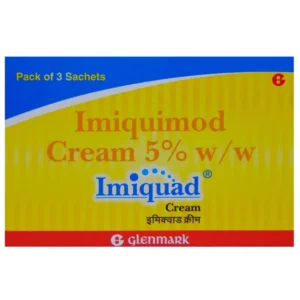
Imiquimod Cream 5% (Imiquad Cream) 12.5 Mg Sachet
Active Ingredient Imiquimod Manufacturer Glenmark Pharmaceuticals Ltd. Packaging 0.25 gm in 1 sachet Strength 12.5mg Delivery Time 6 To 15 days SKU: Imiquad Sachet (Imiquimod) – 12.5 Mg Price range: $75.00 through $216.00Imiquimod Cream 5% (Imiquad Cream) 12.5 Mg Sachet
Price range: $75.00 through $216.00 -
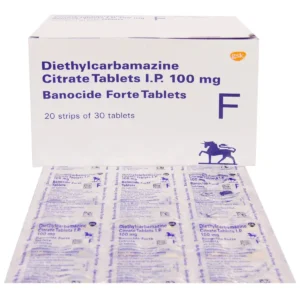
Banocide Forte 100 Mg (Diethylcarbamazine)
Active Ingredient Diethylcarbamazine Manufacturer GlaxoSmithKline Pharmaceuticals Ltd Packaging 20 tablets in 1 strip & 30 tablets in 1 strip Strength 100mg Delivery Time 6 To 15 days SKU: Banocide Forte 100 Mg (Diethylcarbamazine) Price range: $13.50 through $25.50Banocide Forte 100 Mg (Diethylcarbamazine)
Price range: $13.50 through $25.50 -
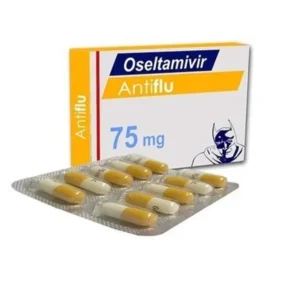
Antiflu 75 Mg (Oseltamivir)
Active Ingredient Oseltamivir Manufacturer Cipla Limited Packaging 10 Capsules in a strip Strength 75mg Delivery Time 6 To 15 days SKU: Antiflu 75 Mg (Oseltamivir) Price range: $76.50 through $211.50Antiflu 75 Mg (Oseltamivir)
Price range: $76.50 through $211.50 -
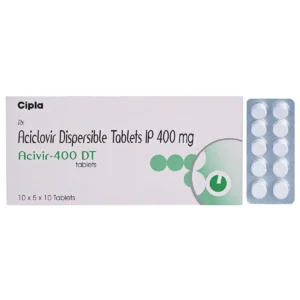
Aciclovir 400 Mg (Acyclovir)
Active Ingredient Acyclovir Manufacturer Healing Pharma, India Packaging 10 Tablets in Strip Strength 400mg Delivery Time 6 To 15 days SKU: Aciclovir 400 Mg (Acyclovir) Price range: $34.00 through $90.00Aciclovir 400 Mg (Acyclovir)
Price range: $34.00 through $90.00 -
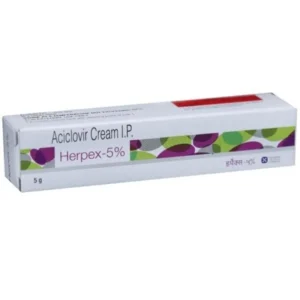
Herpex Cream (Acyclovir)
Active Ingredient Acyclovir Manufacturer Torrent Pharmaceuticals Ltd Packaging 5 gm in 1 tube Strength 5% Delivery Time 6 To 15 days SKU: Herpex Cream (Acyclovir) Price range: $4.00 through $19.00Herpex Cream (Acyclovir)
Price range: $4.00 through $19.00 -
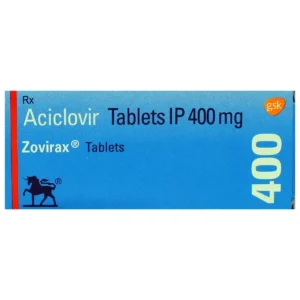
Zovirax 400 Mg (Acyclovir)
Active Ingredient Acyclovir Manufacturer GlaxoSmithKline Pharmaceuticals Ltd Packaging 5 tablets in 1 strip, 10 tablets in 1 strip Strength 200mg, 400mg, 800mg Delivery Time 6 To 15 days SKU: Zovirax 400mg (Acyclovir) Price range: $31.50 through $174.00Zovirax 400 Mg (Acyclovir)
Price range: $31.50 through $174.00 -
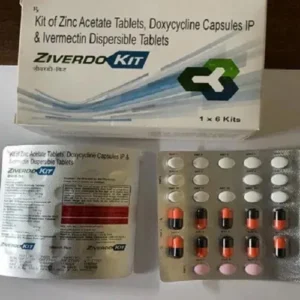
Ziverdo Kit
Active Ingredient Doxycycline, Ivermectin Manufacturer Mankind Pharma Packaging 1 Kit Of (Ivermectin 12 Mg = 3 Tablet + Zinc 50mg = 14 Tablet + Doxycycline 100mg = 10 Capsules) Delivery Time 6 To 15 days SKU: Ziverdo Kit Price range: $85.00 through $810.00Ziverdo Kit
Price range: $85.00 through $810.00 -
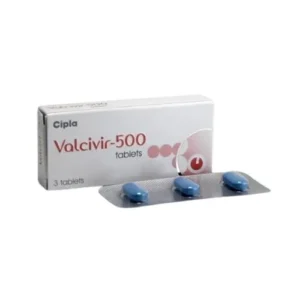
Valcivir 500 Mg
Active Ingredient Valacyclovir Manufacturer Cipla Limited Packaging 3 Tablets in Strip Strength 500mg, 1000mg Delivery Time 6 To 15 days SKU: Valcivir 500 Mg Price range: $105.00 through $450.00Valcivir 500 Mg
Price range: $105.00 through $450.00 -
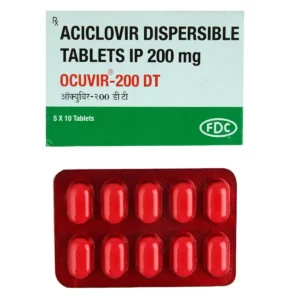
Ocuvir DT 200 Mg (Acyclovir)
Active Ingredient Acyclovir Manufacturer FDC Ltd Packaging 5 Tablets in Strip & 10 Tablets in Strip Strength 200mg, 400mg, 800mg Delivery Time 6 To 15 days SKU: Ocuvir DT 200 Mg (Acyclovir) Price range: $27.00 through $252.00Ocuvir DT 200 Mg (Acyclovir)
Price range: $27.00 through $252.00 -
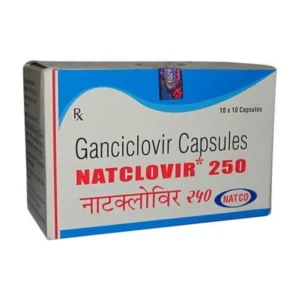
Natclovir 250 Mg (Ganciclovir)
Active Ingredient Ganciclovir Manufacturer Natco Pharma Ltd. Packaging 10 capsules in 1 strip Strength 250mg Delivery Time 6 To 15 days SKU: Natclovir 250 Mg (Ganciclovir) Price range: $148.50 through $427.50Natclovir 250 Mg (Ganciclovir)
Price range: $148.50 through $427.50 -
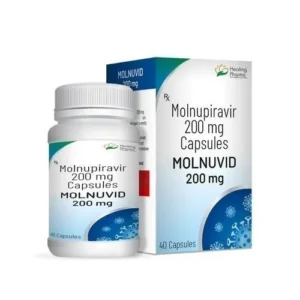
Molnuvid 200 Mg
Active Ingredient Molnupiravir Manufacturer Healing Pharma Packaging 40 Capsule in 1 bottle Strength 200 Mg Delivery Time 6 to 15 days SKU: Molnuvid 200 Mg Price range: $96.00 through $266.00Molnuvid 200 Mg
Price range: $96.00 through $266.00 -
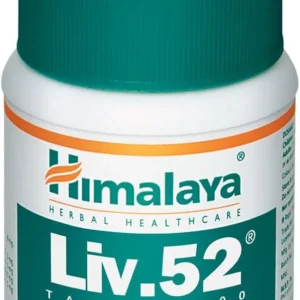
Liv 52 (Ayurvedic)
Active Ingredient Ayurvedic Manufacturer Himalaya Drug Company Packaging 52 Tablets in Bottle Delivery Time 6 To 15 days SKU: Liv 52 (Ayurvedic) Price range: $6.00 through $14.00Liv 52 (Ayurvedic)
Price range: $6.00 through $14.00