
Levamisole: Complete Medical Guide for Antiparasitic Treatment
Introduction
Levamisole is a prescription antiparasitic medication that has been used for decades to treat various worm infections in humans. Originally developed as a veterinary medicine, levamisole was later adapted for human use and has proven effective against several types of parasitic infections. This medication belongs to the imidazothiazole class of anthelmintic drugs and works by targeting the nervous system of parasitic worms.
Healthcare providers prescribe levamisole primarily for treating roundworm infections, though it may also be used in combination with other medications for certain medical conditions. Understanding how this medication works and its proper usage is essential for safe and effective treatment.
What is Levamisole?
Levamisole is an antiparasitic medication classified as an anthelmintic drug. The active ingredient, levamisole hydrochloride, was first synthesized in the 1960s and has since become an important tool in treating parasitic worm infections.
This medication is available in several forms:
- Oral tablets (typically 50mg or 150mg)
- Oral suspension for children or patients who have difficulty swallowing
- Injectable form for specific medical situations
Levamisole specifically targets parasitic worms and is not effective against bacterial, viral, or fungal infections. The medication has also been studied for its immunomodulatory properties, meaning it can affect immune system function, which has led to its investigation in treating certain autoimmune conditions and as an adjunct cancer therapy.
In some countries, levamisole is primarily used in veterinary medicine, while human use varies depending on local medical guidelines and availability of alternative treatments.
How Does Levamisole Work?
Levamisole works through a unique mechanism that specifically targets the nervous system of parasitic worms. The medication acts as a cholinergic agonist, which means it mimics the action of acetylcholine, a neurotransmitter that controls muscle movement and nerve function.
When levamisole enters the parasite’s system, it binds to specific receptors in the worm’s nervous system, causing prolonged muscle contraction and paralysis. This paralytic effect prevents the worms from maintaining their grip on the intestinal wall, causing them to be expelled from the body through normal bowel movements.
The medication also interferes with the parasites’ ability to regulate their internal processes, further weakening their survival mechanisms. Unlike some antiparasitic drugs that kill worms directly, levamisole’s primary action is to paralyze them, allowing the body’s natural elimination processes to remove the inactive parasites.
Additionally, levamisole has immunostimulant properties, meaning it can enhance certain immune system functions. This dual action – direct antiparasitic effect combined with immune system support – contributes to its effectiveness in treating parasitic infections.
Medical Uses of Levamisole:-
Healthcare providers prescribe levamisole for several specific medical conditions:
Primary Antiparasitic Uses:
- Roundworm infections (Ascariasis)
- Hookworm infections
- Treatment of mixed worm infections
- Certain cases of whipworm infections
Secondary Medical Applications:
- Immunomodulation in specific autoimmune conditions
- Adjunct therapy in certain cancer treatments (under specialized medical supervision)
- Treatment of recurrent aphthous stomatitis (mouth ulcers) in some cases
- Management of certain skin conditions when prescribed by dermatologists
Combination Therapy:
- Used alongside other medications for complex parasitic infections
- Part of the treatment protocols for specific medical conditions requiring immune system modulation
The specific use of levamisole depends on the patient’s condition, medical history, and the healthcare provider’s assessment of the most appropriate treatment approach.
Discover More Health Articles:- Anti-Worm: Complete Guide to Deworming Treatments.
Dosage and Administration:-
The dosage of levamisole varies significantly based on the condition being treated, the patient’s age, weight, and overall health status. Always follow your healthcare provider’s specific instructions, as the general guidelines below may not apply to your particular situation.
Common Dosage Guidelines:
For Parasitic Infections:
- Adults: 150mg as a single dose, may be repeated after 2-4 weeks if necessary
- Children: Dosage calculated based on body weight, typically 2.5-3mg per kg of body weight
- Some infections may require multiple doses over several days
For Other Medical Conditions:
- Dosing varies widely depending on the specific condition
- May require daily dosing for extended periods under medical supervision
- Regular monitoring is often necessary for long-term use
Administration Instructions:
- Take with or without food as directed by your healthcare provider
- Swallow tablets whole with a full glass of water
- If using liquid form, measure the dose carefully with the provided measuring device
- Complete the full course of treatment even if symptoms improve
- If you miss a dose, contact your healthcare provider for guidance
Important: Never adjust your dosage without consulting your doctor, as levamisole requires careful monitoring for safety and effectiveness.
Possible Side Effects:-
Levamisole can cause various side effects, ranging from mild to serious. The likelihood and severity of side effects may increase with higher doses or prolonged use.
Common Side Effects:
- Nausea and vomiting
- Abdominal pain or cramping
- Diarrhea
- Headache
- Dizziness
- Fatigue or weakness
- Metallic taste in the mouth
Serious Side Effects:
- Severe allergic reactions (difficulty breathing, swelling, severe rash)
- Blood disorders (unusual bruising, bleeding, or infections)
- Severe skin reactions (blistering, peeling)
- Liver problems (yellowing of skin or eyes, dark urine)
- Neurological symptoms (seizures, confusion, severe dizziness)
- Severe gastrointestinal symptoms
Blood-Related Side Effects:
Levamisole can affect blood cell production, leading to:
- Decreased white blood cell count (increased infection risk)
- Decreased platelet count (increased bleeding risk)
- Anemia symptoms (fatigue, weakness, pale skin)
Seek immediate medical attention for any serious side effects. Contact your healthcare provider if mild side effects persist or worsen.
Safety Precautions:-
Several important safety considerations apply when using levamisole:
Pregnancy and Breastfeeding:
- Pregnancy: Levamisole should generally be avoided during pregnancy unless the benefits clearly outweigh the risks
- Breastfeeding: The medication may pass into breast milk; discuss risks and benefits with your healthcare provider
- Use effective contraception during treatment if you could become pregnant
Medical Conditions Requiring Caution:
- Liver disease: May require dose adjustment or additional monitoring
- Kidney disease: Could affect how the body processes the medication
- Blood disorders: Regular blood tests may be necessary
- Autoimmune conditions: Requires specialized medical supervision
- Seizure disorders: May require additional precautions
Allergies:
- Inform your doctor about any known allergies to levamisole or similar medications
- Report any previous adverse reactions to antiparasitic drugs
Alcohol Use:
- Limit or avoid alcohol consumption during treatment
- Alcohol may increase the risk of liver problems and worsen side effects
Drug Interactions:-
Levamisole can interact with various medications, potentially affecting their effectiveness or increasing the risk of side effects:
Important Drug Interactions:
- Warfarin and other blood thinners: May increase bleeding risk
- Phenytoin: Levamisole can increase phenytoin blood levels
- Fluorouracil: Enhanced effects and toxicity when used together
- Alcohol: Increased risk of liver problems and enhanced side effects
- Live vaccines: May interfere with vaccine effectiveness
Medications Requiring Monitoring:
- Other immunosuppressive drugs
- Medications that affect blood cell production
- Drugs metabolized by the liver
- Medications that can cause neurological side effects
Supplements and Herbal Products:
- Inform your healthcare provider about all supplements you’re taking
- Some herbal products may interact with levamisole
- Avoid starting new supplements without medical consultation
Always provide your healthcare provider with a complete list of all medications, supplements, and herbal products you’re currently using.
Storage Instructions:-
Proper storage ensures levamisole maintains its effectiveness and safety:
- Store at room temperature between 15°C to 30°C (59°F to 86°F)
- Keep in the original container to protect from light and moisture
- Store in a dry place away from bathrooms and kitchens
- Keep tightly closed when not in use
- Store out of reach of children and pets
- Do not use expired medication
- Do not freeze liquid formulations
- Dispose of unused medication through proper pharmacy take-back programs
Check the expiration date before each use and never use expired levamisole, as it may be ineffective or potentially harmful.
Benefits of Levamisole:-
Levamisole offers several therapeutic advantages:
Antiparasitic Benefits:
- Effective against common roundworm infections
- Rapid action in paralyzing and eliminating parasites
- Can be used as a single-dose treatment for many infections
- Generally, effective cure rates when used appropriately
Immunological Benefits:
- May help restore immune system function in certain conditions
- Can enhance the body’s natural defense mechanisms
- Useful in the management of specific autoimmune conditions
Practical Advantages:
- Often requires minimal treatment duration
- Available in multiple formulations
- Established safety profile when used appropriately
- Cost-effective treatment option
Who Should Avoid This Medicine?
Certain individuals may need to avoid levamisole or use it with extreme caution:
Absolute Contraindications:
- Known allergy to levamisole or related compounds
- Severe blood disorders or bone marrow suppression
- Severe liver disease or liver failure
- Active severe infections due to compromised immune function
Relative Contraindications (Requires Medical Evaluation):
- Pregnancy and breastfeeding
- Children under specific age limits (varies by indication)
- Elderly patients with multiple health conditions
- Patients with seizure disorders
- Those with autoimmune conditions are not being specifically treated with levamisole
- Patients with kidney or liver impairment
Special Populations Requiring Monitoring:
- Patients receiving other immunomodulatory therapies
- Those with a history of blood disorders
- Patients taking multiple medications
- Individuals with chronic medical conditions
FAQs (Frequently Asked Questions)?
1. How long does levamisole take to work against parasites?
Levamisole typically begins working within hours of administration by paralyzing the worms. You may see dead or paralyzed worms in your stool within 24-48 hours. However, complete elimination and symptom relief may take several days to a week.
2. Can levamisole be taken with food?
Yes, levamisole can be taken with or without food. Taking it with food may help reduce stomach upset in sensitive individuals. Follow your healthcare provider’s specific instructions regarding food intake.
3. Is levamisole safe for long-term use?
Long-term use of levamisole requires careful medical supervision due to potential effects on blood cells and immune function. Regular monitoring through blood tests is typically necessary for extended treatment periods.
4. What should I do if I experience unusual symptoms while taking levamisole?
Contact your healthcare provider immediately if you experience unusual symptoms such as persistent fever, unusual bruising or bleeding, severe fatigue, or signs of infection. These could indicate serious side effects requiring prompt medical attention.
5. Can children take levamisole safely?
Levamisole can be prescribed for children, but the dosage must be carefully calculated based on body weight. Pediatric use should always be under strict medical supervision with appropriate monitoring.
6. Does levamisole interact with birth control pills?
There are no well-documented interactions between levamisole and hormonal contraceptives. However, inform your healthcare provider about all medications you’re taking to ensure safe use.
7. How often can levamisole be repeated for parasitic infections?
The frequency of repeat doses depends on the specific parasitic infection and treatment response. Some conditions may require a second dose after 2-4 weeks, while others may need different dosing schedules. Always follow your healthcare provider’s instructions.
8. Can I drink alcohol while taking levamisole?
It’s recommended to avoid or limit alcohol consumption while taking levamisole, as alcohol may increase the risk of liver problems and enhance certain side effects like dizziness and nausea.
Conclusion:-
Levamisole represents an important medication in the treatment of parasitic worm infections and certain immunological conditions. Its dual mechanism of action – direct antiparasitic effects combined with immune system modulation – makes it a valuable therapeutic tool when used appropriately under medical supervision.
While generally effective for its intended uses, levamisole requires careful monitoring due to potential effects on blood cells and immune function. The medication’s safety profile is well-established when used according to medical guidelines, but patients must be aware of potential side effects and the importance of regular medical follow-up during treatment.
Success with levamisole therapy depends on proper diagnosis, appropriate dosing, patient compliance, and adequate medical monitoring. The medication works best when combined with good hygiene practices and follow-up care to prevent reinfection or monitor for treatment response.
As with any prescription medication, the decision to use levamisole should be made collaboratively between patient and healthcare provider, taking into account individual medical history, current health status, and specific treatment goals.
Medical Disclaimer:-
This information is provided for educational purposes only and is not intended to replace professional medical advice, diagnosis, or treatment. Always consult your healthcare provider before starting any new medication or if you have questions about your medical condition. Never disregard professional medical advice or delay seeking treatment because of information you have read here. Levamisole is a prescription medication that requires medical supervision. If you experience a medical emergency, contact your doctor or emergency services immediately.
-
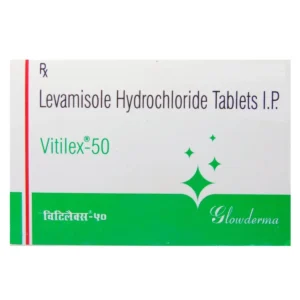
Vitilex 50Mg (Levamisole)
Active Ingredient: Levamisole Indication: Worm infections Manufacturer: Glowderma Lab Ltd. Packaging: 4 Tablets in 1 strip Strength: 50mg Delivery Time: 12 to 17 days Price range: $17.00 through $60.00Vitilex 50Mg (Levamisole)
Price range: $17.00 through $60.00 -
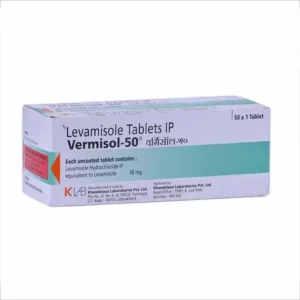
Vermisol 50mg (Levamisole)
Active Ingredient: Levamisole Indication: Worm infections Manufacturer: Khandelwal Laboratories Pvt.Ltd. Packaging: 1 Tablet in 1 strip Strength: 50mg Delivery Time: 12 to 17 days Price range: $20.00 through $50.00Vermisol 50mg (Levamisole)
Price range: $20.00 through $50.00 -
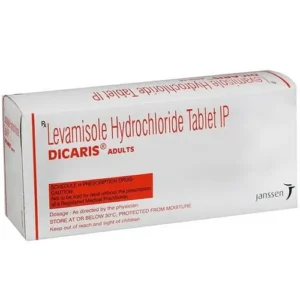
Dicaris Adults 150mg (Levamisole)
Active Ingredient: Levamisole Indication: Worm infections Manufacturer: Janssen Pharmaceuticals, India Packaging: 1 Tablet in 1 strip Strength: 150mg Delivery Time: 12 to 17 days Price range: $20.00 through $50.00Dicaris Adults 150mg (Levamisole)
Price range: $20.00 through $50.00 -
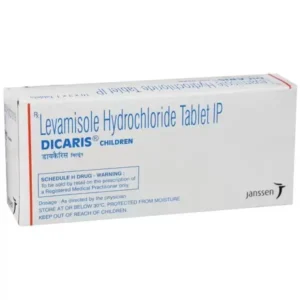
Dicaris Children 50mg (Levamisole)
Active Ingredient: Levamisole Indication: Worm infections Manufacturer: Janssen Pharmaceuticals, India Packaging: 1 Tablet in 1 strip Strength: 50mg Delivery Time: 12 to 17 days Price range: $20.00 through $50.00Dicaris Children 50mg (Levamisole)
Price range: $20.00 through $50.00