
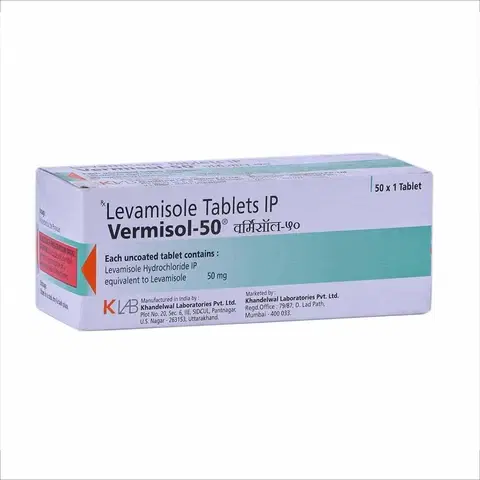
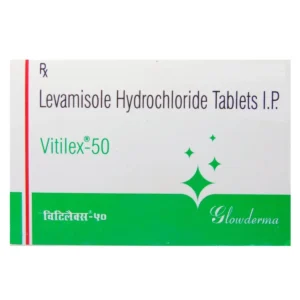
Vermisol 50mg (Levamisole)
Price range: $20.00 through $50.00
| Active Ingredient: | Levamisole |
|---|---|
| Indication: | Worm infections |
| Manufacturer: | Khandelwal Laboratories Pvt.Ltd. |
| Packaging: | 1 Tablet in 1 strip |
| Strength: | 50mg |
| Delivery Time: | 12 to 17 days |
Vermisol 50mg (Levamisole): Uses, Dosage, Benefits, Side Effects & Complete Guide
Introduction:-
When a child is diagnosed with an intestinal worm infection, parents naturally want the safest, most effective treatment available — and they want it fast. Intestinal parasitic infections remain a widespread global health concern, with the World Health Organization estimating that over 880 million children are at risk of soil-transmitted helminth infections worldwide. These infections can silently drain a child’s nutrition, energy, and overall well-being if left unaddressed.
Vermisol 50mg (Levamisole) is a well-established, physician-prescribed antiparasitic medication formulated for use in children — designed to treat a range of parasitic worm infections and certain skin conditions. With its active ingredient Levamisole hydrochloride, Vermisol 50mg carries a dual pharmacological identity: acting both as a targeted anthelmintic that paralyzes and eliminates susceptible intestinal worms, and as an immunomodulatory agent that helps restore and strengthen certain immune system functions.
This comprehensive, parent-friendly guide covers everything you need to know about Vermisol 50mg (Levamisole) — how it works, what it treats, the correct dosage for children, potential side effects, important precautions, and clear answers to the questions parents most commonly ask. Whether your child has been prescribed this medication or you are simply seeking accurate, reliable information, this guide is designed to inform and reassure you.
What is Vermisol 50mg (Levamisole)?
Vermisol 50mg is an oral prescription-grade antiparasitic tablet containing Levamisole hydrochloride as its active pharmaceutical ingredient. Levamisole is the levorotatory (L-) isomer of tetramisole, a synthetic compound from the imidazothiazole class of drugs that was first developed in the 1960s and has since accumulated decades of clinical evidence in pediatric and adult populations.
What distinguishes Levamisole from many other antiparasitic medications is its dual mechanism of action:
- Anthelmintic (anti-worm) activity — directly paralyzing susceptible intestinal nematodes and facilitating their natural expulsion
- Immunomodulatory activity — restoring and enhancing depressed immune function, particularly T-lymphocyte and macrophage activity
Vermisol 50mg is specifically used in pediatric patients for the treatment of:
- Intestinal worm infections — including roundworm (Ascaris lumbricoides), hookworm (Ancylostoma duodenale, Necator americanus), and pinworm (Enterobius vermicularis)
- Certain skin infections and disorders — including conditions such as warts, lichen planus, aphthous ulcers, and leprosy-related skin manifestations, where Levamisole’s immunomodulatory and antibacterial properties are clinically applicable
Vermisol 50mg is available as a film-coated oral tablet, with the 50mg strength enabling appropriate weight-based dosing in children of varying sizes.
Vermisol 50mg Composition:-
| Property | Details |
|---|---|
| Active Ingredient | Levamisole Hydrochloride |
| Equivalent Levamisole Base | 50 mg per tablet |
| Drug Class | Anthelmintic / Imidazothiazole derivative; Immunomodulator |
| Dosage Form | Film-coated oral tablet |
| Therapeutic Category | Antiparasitic / Anthelmintic; Immunomodulatory Agent |
| Route of Administration | Oral |
| Target Population | Primarily pediatric patients (children) |
| Typical Pack Size | Varies by region and manufacturer |
| Prescription Status | Prescription-only medicine (POM) in most countries |
Note: Manufacturer details and excipient composition may vary depending on country of distribution. Always consult the product information leaflet specific to your region for the complete list of active and inactive ingredients.
How Vermisol 50mg Works?
Understanding the pharmacology of Vermisol 50mg (Levamisole) helps parents appreciate both the effectiveness of the treatment and the biological process of their child’s recovery.
Mechanism of Action
Levamisole functions as a selective nicotinic acetylcholine receptor (nAChR) agonist in the neuromuscular system of susceptible parasitic worms. In practical terms, Levamisole mimics the natural neurotransmitter acetylcholine at specific receptor sites found in the nematode’s neuromuscular junction.
Rather than producing a controlled, reversible response, this binding triggers a state of sustained, irreversible spastic (rigid) paralysis in the worm’s muscle cells — the worm’s body locks in a contracted, immovable state from which it cannot recover.
This selectivity is clinically important: the nicotinic acetylcholine receptor subtypes targeted by Levamisole in nematode worms differ meaningfully from those in the human nervous system. At standard therapeutic doses used in children, the drug paralyzes the worm without causing the same neuromuscular effects in the patient.
Effect on Intestinal Worms
Once Vermisol 50mg induces spastic paralysis in the worm:
- The worm releases its grip on the intestinal wall, where it has been living and feeding
- It becomes unable to move against the natural flow of intestinal contents
- Normal intestinal peristalsis — the rhythmic muscular contractions that move food through the gut — carries the paralyzed worm toward the large intestine
- The worm is then expelled from the body through a bowel movement — typically within 24–72 hours of treatment
- Parents may observe intact or partial worms in their child’s stool during this period — this is expected and confirms the medication is working effectively
Immunomodulatory Activity
Beyond its antiparasitic mechanism, Levamisole has well-documented immune-enhancing properties that provide additional therapeutic value — particularly in children whose immune systems may be compromised by chronic or heavy worm burdens:
- Restores depressed T-lymphocyte function — a key immune component suppressed in parasitic infections
- Activates macrophages — enhancing the immune system’s capacity to identify and destroy pathogens
- Improves neutrophil chemotaxis — helping immune cells navigate more effectively to infection sites
- Modulates antibody formation — supporting humoral immune responses
These properties underpin Levamisole’s therapeutic utility in skin conditions such as warts, lichen planus, and aphthous ulcers, where immune dysregulation plays a central pathological role.
Elimination from the Body
- Levamisole is rapidly absorbed from the gastrointestinal tract after oral administration
- Peak plasma concentration is typically reached within 1.5–2 hours
- Significant hepatic (liver) metabolism occurs following absorption
- The parent compound has a plasma half-life of approximately 3–4 hours
- Metabolites are primarily excreted via the kidneys (urine)
- Most of the drug and its metabolites are eliminated from the body within 24–48 hours of a single therapeutic dose, limiting prolonged systemic drug exposure after standard antiparasitic use
Vermisol 50mg Uses:-
Treatment of Worm Infections
The primary clinical indication for Vermisol 50mg is the treatment of intestinal parasitic worm infections in children. The medication is effective against several important nematode species:
Roundworm Infection (Ascariasis) Caused by Ascaris lumbricoides — the world’s most prevalent soil-transmitted helminth — roundworm infections in children may cause:
- Abdominal pain and bloating
- Nausea, vomiting, and loss of appetite
- Nutritional deficiencies and poor weight gain
- Visible worms in stool
- In heavy infestations: intestinal obstruction (a medical emergency)
- Respiratory symptoms during larval migration (Löffler’s syndrome)
Hookworm Infections Caused by Ancylostoma duodenale or Necator americanus — hookworms attach to the intestinal wall and feed on blood, leading to:
- Iron-deficiency anemia
- Fatigue and pallor
- Reduced growth and cognitive development in children
Pinworm Infections (Enterobiasis) Caused by Enterobius vermicularis — the most common worm infection in many developed countries — pinworms cause intense perianal itching, especially at night, disrupting sleep and daily comfort in children.
Treatment of Skin Disorders
A clinically important and often less-discussed use of Vermisol 50mg is its application in treating certain skin infections and immune-mediated skin conditions in children, including:
- Warts (Verruca vulgaris) — viral skin growths where Levamisole’s immunostimulatory properties support the body’s immune-mediated clearance
- Lichen planus — an inflammatory skin and mucosal condition with immune dysregulation at its core
- Aphthous ulcers (mouth ulcers) — recurrent painful oral sores where immune modulation helps reduce frequency and severity
- Leprosy-related skin manifestations — as an adjunctive immunomodulatory agent in specialist-supervised leprosy treatment programs
⚠️ Skin disorder uses are specialist-supervised indications requiring diagnosis and ongoing monitoring by a qualified dermatologist or pediatric specialist. They are not within the scope of routine over-the-counter deworming.
Deworming Therapy in Children
Vermisol 50mg is used in both individual treatment of confirmed worm infections and in community and school-based deworming programs in endemic regions. WHO-supported mass drug administration (MDA) programs recognize the importance of periodic anthelmintic treatment in school-age children to reduce worm burden, improve nutritional outcomes, and support healthy growth and cognitive development.
Other Doctor-Prescribed Uses
Under specialized clinical supervision, Levamisole (as found in Vermisol 50mg) may also be prescribed for:
- Nephrotic syndrome in children — as an immunomodulatory agent to reduce relapse rates in steroid-sensitive nephrotic syndrome; a well-documented use in pediatric nephrology
- Mixed intestinal nematode infections — where multiple worm species are present, and Ascaris, hookworm, or pinworm form part of the infestation
Vermisol 50mg Dosage Guide:-
⚠️ Important: Dosage should always be determined by a qualified healthcare professional. The information below is for general educational reference only and must not be used as a substitute for your child’s doctor’s specific prescription.
Standard Pediatric Dosage
Vermisol 50mg dosing in children is weight-based, following the general principle of approximately 2.5 mg/kg body weight for antiparasitic indications:
| Child’s Body Weight | Recommended Levamisole Dose | Number of Vermisol 50mg Tablets |
|---|---|---|
| 10–14 kg | 25–50 mg | ½ – 1 tablet |
| 15–19 kg | 50–75 mg | 1 – 1.5 tablets |
| 20–29 kg | 75–100 mg | 1.5 – 2 tablets |
| 30–39 kg | 100–125 mg | 2 – 2.5 tablets |
| 40–50 kg | 125–150 mg | 2.5 – 3 tablets |
| Above 50 kg | 150 mg (adult dose) | 3 tablets |
💡 For worm infections: Vermisol 50mg is typically administered as a single dose. For pinworm infections, a repeat dose after 2 weeks is commonly recommended to eliminate newly hatched worms from eggs that survived the first treatment.
💡 For skin disorders and other specialist indications: Dosing schedules differ significantly — follow your child’s specialist’s specific prescription instructions exactly.
Age-Based Considerations
| Age Group | Key Considerations |
|---|---|
| Under 2 years | Not routinely recommended; use only under strict specialist supervision |
| 2–5 years | Weight-based dosing; administer under direct adult supervision |
| 6–12 years | Weight-based dosing; the standard tablet is generally appropriate |
| Adolescents | May transition to adult dosing based on body weight; physician to assess individually |
⚠️ If your child vomits within 30 minutes of taking Vermisol 50mg, consult your doctor — they will advise whether to repeat the dose or wait until the next scheduled time.
Missed Dose Instructions
- Single-dose regimen (antiparasitic use): Give the missed dose as soon as you remember on the same prescribed day. If more than a full day has passed, contact your pediatrician before giving a late dose — do not simply administer it without guidance.
- Multi-dose regimen (skin disorders/specialist indications): Give the missed dose as soon as you remember and continue at the regularly scheduled time. Never give a double dose to compensate for a missed one.
- General rule: When in doubt, always contact your child’s doctor or pharmacist for specific, clear guidance.
Overdose Information
Levamisole has a reasonably broad therapeutic margin at standard antiparasitic doses; however, accidental overdose in children is a medical emergency and must be taken seriously. Warning signs of overdose include:
- Persistent or severe vomiting
- Unusual drowsiness, confusion, or disorientation
- Tremors or involuntary movements
- Seizures
- Signs of agranulocytosis — fever, mouth ulcers, persistent sore throat
⚠️ Prolonged or excess intake of Vermisol 50mg can cause serious side effects including seizures and dangerously low blood counts. If you suspect your child has taken more than the prescribed dose, call emergency services or go to the nearest emergency department immediately.
How to Take Vermisol 50mg?
Correct administration of Vermisol 50mg helps ensure maximum effectiveness and minimizes the likelihood of side effects. Follow these practical, step-by-step guidelines:
- Take with food — preferred — While Vermisol 50mg can be given with or without food, giving it with a meal is preferred as it significantly helps prevent nausea and stomach upset in children.
- Swallow whole with water — The film-coated tablet should be swallowed whole with a full glass of water. Do not chew, crush, or break the tablet unless your doctor or pharmacist specifically advises otherwise.
- Single-dose for worm infections — For standard worm treatment, the entire prescribed dose is given at one time — typically in the evening before bedtime. This minimizes disruption from any mild side effects during the day.
- Repeat dose for pinworms — If treating a pinworm infection, a second dose 14 days after the first is strongly recommended to catch any newly hatched worms that survived the initial treatment.
- Vomiting within 30 minutes — If your child vomits within 30 minutes of taking the dose, contact your doctor for advice on whether to repeat the dose. Vomiting after 30 minutes generally means sufficient drug has already been absorbed.
- Complete longer courses fully — For skin disorders or specialist indications requiring multi-day treatment, ensure your child completes the full prescribed course — stopping early may allow the condition to recur or worsen.
- Avoid alcohol — Levamisole may interact with alcohol to cause flushing, nausea, irregular heartbeat, and low blood pressure. This is particularly relevant for older adolescents.
- Reinforce hygiene habits — Medication is only part of the solution. Teach and encourage consistent handwashing before meals and after using the toilet, keeping fingernails short and clean, and washing bedding and clothing promptly after treatment — especially for pinworm infections.
- Schedule follow-up testing — Your child’s doctor may recommend a follow-up stool examination 2–4 weeks after treatment to confirm successful worm clearance. Attend this appointment as directed.
- Treat household contacts if indicated — For pinworm infections, your doctor may recommend simultaneous treatment of all household members, even those without visible symptoms, to prevent reinfection.
Vermisol 50mg Side Effects:-
Vermisol 50mg is generally well-tolerated in children at the standard antiparasitic doses used for worm infections. Side effects, when they occur, are typically mild and resolve on their own within a few hours.
Side Effects Overview Table
| Side Effect | Type | Estimated Frequency | Recommended Action |
|---|---|---|---|
| Nausea | Common | Common (1–10%) | Give with food; usually self-limiting |
| Vomiting | Common | Common (1–10%) | Keep the child hydrated; if within 30 min of the dose, contact the doctor |
| Diarrhea | Common | Common (1–10%) | Ensure adequate fluid intake; usually brief |
| Abdominal pain/cramping | Common | Common (1–10%) | Rest, warm compress; contact a doctor if severe |
| Fever (rise in temperature) | Common | Common (1–10%) | Monitor temperature; contact a doctor if high or persistent |
| Headache | Common | Uncommon (<5%) | Rest; age-appropriate analgesic if needed |
| Dizziness | Common | Uncommon (<5%) | Keep the child safely rested; avoid active play |
| Fatigue / Unusual tiredness | Common | Uncommon (<5%) | Allow rest; it typically resolves within hours |
| Metallic taste | Common | Uncommon (<5%) | Generally harmless and transient |
| Loss of appetite | Common | Uncommon (<5%) | Offer preferred foods; typically brief |
| Skin rash / Itching | Potentially serious | Rare (<1%) | Stop medication; contact the doctor promptly |
| Blood cell abnormalities / Agranulocytosis | Serious | Rare — particularly with prolonged/repeated dosing | Seek immediate medical attention if fever, bleeding, or mouth ulcers appear |
| Severe allergic reaction / Anaphylaxis | Serious | Very rare (<0.1%) | Call emergency services immediately |
| Seizures / Neurological effects | Serious | Very rare — risk increases with high/prolonged doses | Seek immediate emergency medical attention |
⚠️ Parent Alert — Blood Cell Abnormalities: One of the most clinically important risks associated with Levamisole — particularly with prolonged or high-dose use — is agranulocytosis (a dangerous drop in white blood cells that severely compromises your child’s ability to fight infections). While the risk at a single standard antiparasitic dose is low, parents must remain vigilant. If your child develops unexplained fever, mouth ulcers, persistent sore throat, unusual bruising, or unusual bleeding within 2–4 weeks of treatment, seek medical attention immediately for a blood count test.
⚠️ Seizure Risk: Vermisol 50mg should not be given to children with a known seizure disorder — prolonged or excessive use increases seizure risk. Disclose any history of epilepsy or febrile convulsions to your child’s doctor before treatment.
Precautions and Warnings:-
Before giving Vermisol 50mg to your child, ensure their doctor is fully informed of the following:
Children with Liver Disease
Levamisole undergoes significant hepatic (liver) metabolism. In children with pre-existing liver impairment, reduced drug clearance may lead to higher plasma levels and a greater risk of adverse effects. Your child’s doctor may consider a dose adjustment or an alternative medication. Always disclose any liver conditions before treatment begins.
Kidney Disease
Vermisol 50mg is generally considered safe to use in children with kidney disease, and no dose adjustment is typically required for mild to moderate renal impairment. However, in severe kidney disease, metabolite accumulation may occur. Always inform your child’s doctor of any renal conditions for individual assessment.
Blood Disorders
Children with pre-existing blood disorders — including low white blood cell counts, bone marrow suppression, or a history of hematological conditions — face a heightened risk of serious hematological complications with Levamisole. A pre-treatment complete blood count (CBC) is strongly advisable in any child with a known or suspected blood disorder. Your doctor may decide that an alternative antiparasitic is safer in your child’s specific case.
Seizure Disorders (Epilepsy)
Vermisol 50mg is not recommended for children with a history of seizures or epilepsy. Prolonged or excessive use of Levamisole can increase seizure risk. Always disclose any history of convulsions — including febrile seizures — to your child’s prescribing doctor before treatment.
Drug Allergies
Do not give Vermisol 50mg if your child has a known allergy or hypersensitivity to Levamisole hydrochloride or any excipient in the tablet. Review the product insert for the full list of inactive ingredients and inform your pharmacist of all known allergies.
Medical Supervision Requirements
Given Levamisole’s systemic absorption, its potential for meaningful drug interactions, and its rare but serious side effect profile, Vermisol 50mg must only be used under the direct supervision and prescription of a qualified pediatrician or physician. Self-medicating a child with this medication is not safe and is strongly discouraged.
Drug Interactions:-
Levamisole’s systemic absorption gives it a broader drug interaction profile than minimally absorbed anthelmintics. Always provide your child’s doctor and pharmacist with a complete list of all medications your child is currently taking — including prescription drugs, OTC medicines, vitamins, and herbal products.
| Interacting Drug / Substance | Type of Interaction | Clinical Significance | Recommendation |
|---|---|---|---|
| Warfarin / Oral anticoagulants | Levamisole may potentiate anticoagulant effects, increasing bleeding risk | High | Inform the doctor immediately; coagulation monitoring is essential |
| Phenytoin (anticonvulsant) | Levamisole may increase phenytoin plasma levels by inhibiting its hepatic metabolism | Moderate–High | Monitor anticonvulsant blood levels; dose adjustment may be necessary |
| Alcohol | Levamisole may interfere with alcohol metabolism, causing flushing, nausea, irregular heartbeat, low blood pressure, and sweating | Moderate | Avoid alcohol during and shortly after treatment |
| Fluorouracil (5-FU) | Historically combined in oncology, significantly increases serious toxicity and agranulocytosis risk | High | This combination is managed only under strict oncology specialist supervision |
| Immunosuppressants (e.g., cyclosporine, methotrexate) | Unpredictable immune interactions; potential for antagonism or additive adverse effects | Moderate–High | Specialist assessment essential; do not combine without specialist oversight |
| Clozapine | Both drugs are independently associated with agranulocytosis; the combined risk is very significantly elevated | High | Avoid concurrent use without specialist hematological monitoring |
| Albendazole | May increase the bioavailability of Albendazole when combined | Low–Moderate | Inform the prescribing doctor if both are being considered |
| Ivermectin | May increase the bioavailability of Ivermectin when combined | Low–Moderate | Use the combination only under a physician’s direction |
| OTC antipyretics / analgesics (paracetamol, ibuprofen) | Generally low interaction risk at antiparasitic doses | Low | Disclose all OTC medications to your child’s pharmacist |
Who Should Avoid Vermisol 50mg?
Vermisol 50mg should not be given, or requires extreme caution and specialist oversight, in the following situations:
- Children under 2 years of age — safety and dosing not well established; use only under strict specialist supervision
- Known allergy or hypersensitivity to Levamisole hydrochloride or any tablet excipient
- Children with a history of seizures or epilepsy — Levamisole increases seizure risk, particularly at high or prolonged doses
- Children with pre-existing agranulocytosis, neutropenia, or significant leukopenia — Levamisole may dangerously further suppress white blood cell counts
- Children with severe hepatic (liver) failure — impaired metabolism significantly increases systemic drug accumulation and toxicity risk
- Children concurrently taking Warfarin or other anticoagulants — unless under close, continuous medical monitoring
- Children concurrently taking Clozapine or other agents independently associated with agranulocytosis — the combined hematological risk is very high without specialist oversight
- Children on immunosuppressive therapy — unless specifically assessed and approved by the treating specialist
- Children with a prior serious adverse reaction to Levamisole or imidazothiazole-class compounds
Storage Instructions:-
Proper storage protects the safety and effectiveness of Vermisol 50mg throughout its shelf life:
- 🌡️ Temperature: Store at room temperature between 15°C and 25°C (59°F–77°F) — keep away from heat sources, radiators, and hot surfaces
- 💧 Moisture: Keep in a dry environment — avoid bathrooms, kitchen windowsills, and areas of high humidity that can affect tablet integrity
- ☀️ Light: Protect from direct sunlight and UV exposure — store in the original blister pack within a closed, dark cupboard
- 🧒 Child safety (critical): Store completely out of reach and sight of all children — including the child being treated — as accidental ingestion of multiple tablets could cause serious harm. Use a locked medicine cabinet where possible
- 🌡️ Avoid freezing: Do not store below 0°C (32°F) — freezing may damage the tablet formulation
- 📅 Expiry date: Always verify the expiry date before giving the medication — never use expired tablets
- 🗑️ Safe disposal: Return any unused or expired Vermisol 50mg tablets to a licensed pharmacy take-back program — do not dispose of in household waste or flush down the toilet
Vermisol 50mg vs Other Deworming Medicines:-
Understanding how Vermisol 50mg (Levamisole) compares to other commonly prescribed pediatric antiparasitic agents helps parents and healthcare providers make well-informed treatment decisions.
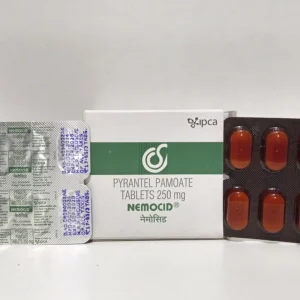
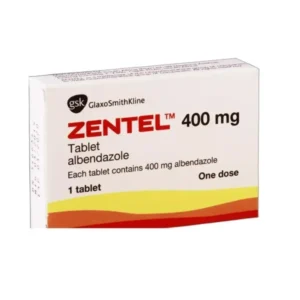
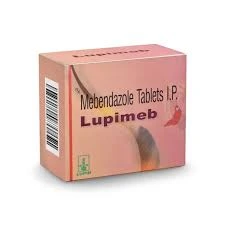
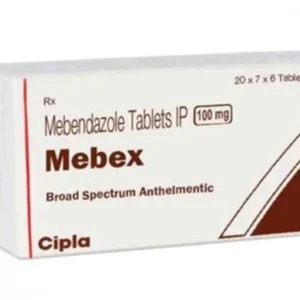
| Feature | Vermisol 50 mg (Levamisole) | Albendazole 200/400mg | Mebendazole 100/500mg | Pyrantel (Nemocid 250mg) |
|---|---|---|---|---|
| Drug Class | Imidazothiazole | Benzimidazole | Benzimidazole | Tetrahydropyrimidine |
| Primary Mechanism | Nicotinic receptor agonist → Spastic paralysis | Microtubule inhibition → Glucose starvation | Microtubule inhibition → Glucose starvation | Nicotinic receptor agonist → Spastic paralysis |
| Roundworms (Ascaris) | ✅ Highly effective | ✅ Highly effective | ✅ Highly effective | ✅ Highly effective |
| Hookworms | ⚠️ Moderate | ✅ Highly effective | ✅ Effective | ✅ Effective |
| Pinworms | ⚠️ Moderate / not first-line | ✅ Effective | ✅ Effective | ✅ First-line |
| Whipworms | ❌ Not effective | ✅ Effective | ✅ Effective | ❌ Not effective |
| Tapeworms | ❌ Not effective | ✅ Some species | ❌ Limited | ❌ Not effective |
| Skin disorders / Warts | ✅ Yes (immunomodulatory) | ❌ No | ❌ No | ❌ No |
| Immunomodulatory activity | ✅ Yes — significant | ❌ No | ❌ No | ❌ No |
| Systemic absorption | Significant | Moderate | Minimal | Minimal |
| Agranulocytosis risk | ⚠️ Yes — monitor | ❌ No | ❌ No | ❌ No |
| Seizure risk (high dose) | ⚠️ Yes — caution in epilepsy | ❌ No | ❌ No | ❌ No |
| Pediatric formulation | ✅ Yes (50mg) | ✅ Yes | ✅ Yes | ✅ Yes |
| Minimum age (general) | ≥ 2 years | ≥ 1 year | ≥ 2 years | ≥ 2 years |
| Typical dose duration | Single dose (deworming) | Single dose or 3 days | 1–3 days | Single dose |
| WHO Essential Medicine | ✅ Yes | ✅ Yes | ✅ Yes | ✅ Yes |
| Prescription Required | ✅ Yes (most countries) | ✅ Yes (most countries) | Rx / OTC (varies) | Rx / OTC (varies) |
Explore More Anti-Worm Guides:- Anti-Worm: Complete Guide to Deworming Treatments.
Frequently Asked Questions (FAQs)?
1. What is Vermisol 50mg used for?
Vermisol 50mg (Levamisole) is used in children primarily for the treatment of intestinal worm infections — including roundworm (Ascaris lumbricoides), hookworm, and pinworm (Enterobius vermicularis) infestations. Additionally, due to its immunomodulatory and antibacterial properties, Vermisol 50mg may be prescribed by specialists for certain skin conditions such as warts, lichen planus, aphthous ulcers (mouth ulcers), and leprosy-related skin manifestations. Under pediatric nephrology supervision, Levamisole is also used to help reduce relapse rates in childhood nephrotic syndrome.
2. How does Levamisole work in children?
Levamisole works by acting as a nicotinic acetylcholine receptor agonist in the neuromuscular system of susceptible nematode (roundworm) parasites. This causes the worm to experience sustained spastic (rigid) paralysis — it can no longer hold on to your child’s intestinal wall or move against intestinal flow. The paralyzed worm is then naturally carried out of the body through normal bowel movements, typically within 24–72 hours of treatment. At therapeutic doses, this mechanism is selective for worm neurology and does not similarly affect your child’s own neuromuscular system. Additionally, Levamisole’s immunomodulatory properties help restore and strengthen your child’s immune function.
3. Can Vermisol 50mg treat roundworms in children?
Yes — treating intestinal roundworm infections (Ascaris lumbricoides) is one of the primary indications for Vermisol 50mg in children. A single weight-based dose is typically sufficient for ascariasis, with worms observed being passed in the stool within 24–72 hours. A follow-up stool examination is recommended by most pediatricians 2–4 weeks after treatment to confirm complete parasite clearance.
4. Is Vermisol 50mg safe for children?
Vermisol 50mg is generally considered safe for children aged 2 years and older when correctly prescribed by a pediatrician and administered at the appropriate weight-based dose. It has been used in pediatric populations for decades. However, compared to some other dewormers, Vermisol 50mg requires closer medical supervision because of its systemic absorption, potential drug interactions, seizure risk in children with epilepsy, and the rare but serious risk of blood cell abnormalities (agranulocytosis) — particularly with repeated or prolonged dosing. Always ensure your child’s use of this medication is overseen by a qualified pediatrician.
5. What are the most common side effects of Vermisol 50mg in children?
The most frequently reported side effects include nausea, vomiting, diarrhea, abdominal pain, and mild fever — all of which are generally temporary and resolve within a few hours. Taking the medication with food significantly reduces the likelihood of nausea and stomach upset. More serious — though rare — side effects include blood cell abnormalities and, in children with seizure disorders, an increased risk of convulsions. Report unexplained fever, mouth ulcers, persistent sore throat, unusual bleeding, or any signs of allergic reaction to your child’s doctor immediately.
6. Can Vermisol 50mg be taken with food?
Yes — and it is preferred that Vermisol 50mg is given with food. Taking the medication during or after a meal helps prevent stomach upset, nausea, and vomiting in children. The food does not interfere with the drug’s absorption or effectiveness. Avoid giving the tablet with heavy, overly fatty meals or alongside alcohol.
7. Does my child need a prescription for Vermisol 50mg (Levamisole)?
Yes — Vermisol 50mg is a prescription-only medication in most countries for pediatric use. The prescription requirement reflects:
- The need for accurate weight-based dosing in children
- A more complex safety profile than some OTC dewormers
- The risk of serious side effects — including blood cell abnormalities and seizure risk — that require medical screening
- Potential drug interactions with other medications
- The importance of confirming the specific worm species before treating, as not all antiparasitic medications are effective against all worms
Do not self-purchase or administer Vermisol 50mg without a valid prescription from a licensed pediatrician.
8. What should I do if my child misses a dose?
- Single-dose treatment (deworming): Give the missed dose as soon as you remember on the same day. If a full day has passed, contact your child’s pediatrician before giving the dose late.
- Multi-dose course (skin disorders or specialist use): Give the missed dose as soon as you remember and continue at the normally scheduled times. Never give a double dose.
- Always contact your doctor or pharmacist if you are unsure what to do after a missed dose — especially for children.
Medical Disclaimer:-
This article is for informational and educational purposes only. It does not constitute medical advice, diagnosis, or treatment. Always consult a qualified healthcare professional before starting, changing, or stopping any medication — particularly when administering medicine to children.
Additional information
| mg | 50mg |
|---|---|
| unit | 20 Tablets, 40 Tablets, 60 Tablets |
Reviews
There are no reviews yet.